




Medina: Pilgrimage & Religious Tourism Guide provides international travelers with a comprehensive understanding of the city’s spiritual, cultural, and logistical landscape. As the second holiest city in Islam, Medina offers not only profound religious experiences but also practical travel opportunities for pilgrims from around the world. In 2026, Medina continues to attract Umrah and Hajj visitors, while also welcoming cultural tourists eager to explore Islamic heritage, ancient mosques, and traditional Saudi architecture. This guide combines spiritual insights, travel tips, and planning strategies to help visitors fully embrace Medina’s religious tourism offerings.
Understanding Medina: The Spiritual Heart of Islam
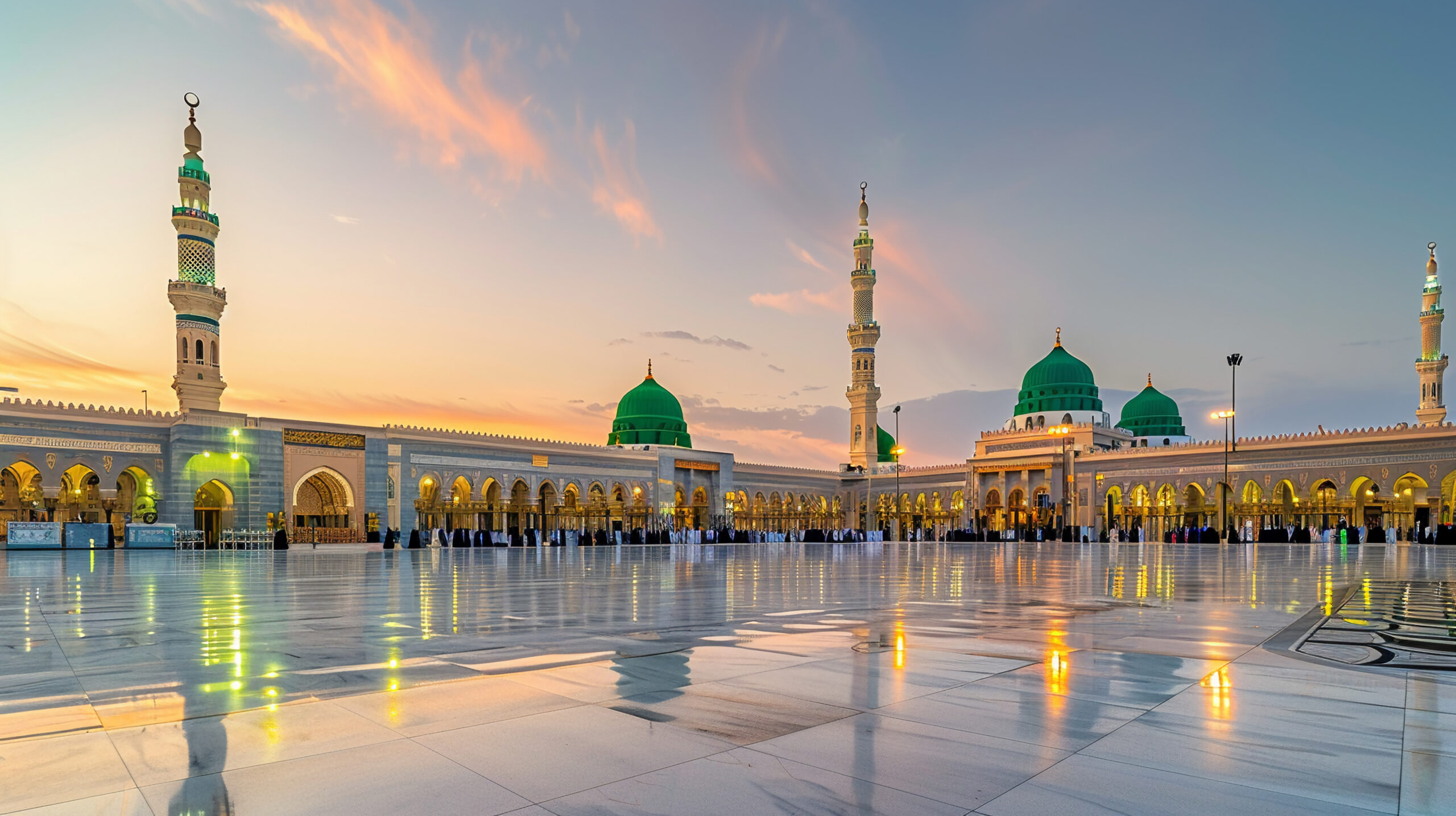
Medina is home to the Prophet’s Mosque (Al-Masjid an-Nabawi), a central site for pilgrims and the resting place of Prophet Muhammad (PBUH). Alongside religious devotion, Medina offers cultural tourism experiences including historic markets, Islamic museums, and centuries-old mosques like Quba Mosque and Qiblatain Mosque. International travelers often pair their Medina pilgrimage with visits to Jeddah or Riyadh, creating seamless spiritual travel packages with convenient flights and transfers through services like Ziarah Flights and Transfers.
Medina’s city layout reflects centuries of Islamic heritage. Its narrow streets and bustling souks provide insight into local life, while modern infrastructure supports pilgrims with hotels, restaurants, and guided tours. Visitors can combine spiritual visits with cultural exploration, ensuring a holistic experience.
Medina Pilgrimage Tours in Saudi Arabia: Planning Your Trip
Effective planning is crucial for a rewarding pilgrimage experience. Pilgrims and travelers should consider:
- Arrival Airports: Most international travelers fly into Prince Mohammad bin Abdulaziz International Airport in Medina or connect through Jeddah and Riyadh. Airport-to-hotel transfers can be booked via Ziarah Transfers.
- Accommodation: From luxury hotels near the Prophet’s Mosque to budget-friendly options, Medina offers diverse lodging options bookable through Ziarah Hotels.
- Guided Activities: To enhance the spiritual journey, visitors can book mosque tours, city walks, and historical site excursions through Ziarah Activities.
For international travelers, using platforms like Ziarah AI Trip Generator and Best Trip Planner simplifies itinerary creation, ensuring optimal time at religious and cultural sites.
Prophet’s Mosque in Medina: Spiritual and Cultural Significance
No visit to Medina is complete without a pilgrimage to the Prophet’s Mosque, the spiritual nucleus of the city. The mosque is open to all Muslims and is renowned for its striking green dome, historical architecture, and serene prayer spaces. Beyond prayer, travelers can explore the mosque’s libraries, learn about its history, and participate in guided tours to understand its significance in Islamic teachings.
Cultural tourism in Medina often includes evening visits to the mosque’s surrounding courtyards and nearby markets, which offer traditional Saudi handicrafts and souvenirs. Staying within walking distance of the mosque allows for multiple visits throughout the day, which is ideal for pilgrims performing Umrah rituals.
Quba Mosque and Other Heritage Sites in Medina
Quba Mosque, the first mosque built in Islam, is a must-visit for pilgrims. Located just outside Medina’s city center, it holds historical importance and offers a quiet space for reflection. Other notable sites include:
- Qiblatain Mosque: Known for its dual qibla directions, representing historical prayer shifts.
- Mount Uhud: Site of the historic Battle of Uhud, offering a mix of spiritual reflection and historical context.
- Al-Baqi Cemetery: Resting place of many companions of Prophet Muhammad (PBUH), significant for pilgrims.
These sites can be visited individually or as part of Medina religious tourism packages, which combine transportation, guides, and hotel accommodations for a seamless experience.
Best Time to Visit Medina for Umrah and Hajj Pilgrims
Timing your trip affects both spiritual and practical experiences. The optimal seasons are:
- Off-Peak Umrah Seasons: February–April and September–November, offering moderate temperatures and fewer crowds.
- Hajj Season: Dhu al-Hijjah (Islamic lunar calendar) – the city sees an influx of pilgrims, requiring early bookings for hotels and flights.
Spring and autumn provide clearer skies, manageable weather, and access to local cultural events. Pilgrims should coordinate their travel with Ziarah Flights and use Transfers for efficient movement between sites.
How to Plan a Spiritual Trip to Medina with Hotels and Transfers
Creating a spiritual itinerary involves several considerations:
- Booking Accommodation: Staying near the Prophet’s Mosque or central Medina neighborhoods allows easy access to religious sites. Hotels can be booked through Ziarah Hotels.
- Flights & Transfers: Efficient travel planning ensures minimal stress. Ziarah provides options to book flights and transfers from Jeddah or Riyadh.
- Activities & Guided Tours: Engage with local guides to explore heritage sites, museums, and markets via Ziarah Activities.
- AI Trip Planning: Tools like Ziarah AI Trip Generator and Best Trip Planner help customize itineraries, integrating flights, hotels, and activities for maximum efficiency.
With these steps, international travelers can balance spiritual obligations with cultural exploration.
Medina Religious Tourism Packages: From Jeddah or Riyadh
Many pilgrims combine their visit to Medina with flights from Jeddah or Riyadh, leveraging packaged deals for convenience. Religious tourism packages often include:
- Airport transfers and city transportation
- Accommodation near key religious sites
- Guided tours of mosques, cemeteries, and historical locations
- Optional excursions to surrounding heritage sites
Travelers can explore these packages using Ziarah AI trip planning tools, allowing flexible customization based on travel dates, duration, and personal preferences.
Beyond Pilgrimage: Cultural and Heritage Exploration
While Medina is primarily known for its religious significance, cultural tourism offers additional experiences:
- Traditional Souks: Explore local crafts, textiles, dates, and incense.
- Historical Museums: Gain insights into Medina’s Islamic history and cultural evolution.
- Cuisine: Sample traditional Saudi dishes, including dates, kabsa, and local pastries.
These experiences complement spiritual visits, giving travelers a comprehensive understanding of Medina’s unique heritage.
FAQs About Medina Pilgrimage & Religious Tourism
What is the best time to visit Medina for religious tourism?
The ideal time is during off-peak Umrah seasons (Feb–Apr, Sep–Nov) for moderate weather and fewer crowds. Hajj season in Dhu al-Hijjah attracts large numbers, making early bookings for hotels and flights essential. Using Ziarah’s planning tools helps align travel with religious obligations.
Which sites in Medina are most important for pilgrims?
Primary sites include Prophet’s Mosque, Quba Mosque, Qiblatain Mosque, Al-Baqi Cemetery, and Mount Uhud. These locations hold historical and spiritual significance. Guided tours via Ziarah enhance understanding of rituals, architecture, and Islamic history.
How can international travelers book hotels and flights to Medina easily?
Travelers can use Ziarah Hotels for accommodation near the Prophet’s Mosque or central Medina. Flights from Jeddah or Riyadh can be booked through Ziarah Flights, ensuring smooth international travel.
What is the cultural significance of the Prophet’s Mosque in Medina?
The mosque is the second holiest site in Islam, housing Prophet Muhammad’s (PBUH) tomb. Beyond prayer, it represents centuries of Islamic scholarship, architecture, and community gathering, making it a focal point for spiritual and cultural tourism.
Is Medina safe for solo religious travelers?
Yes, Medina is generally safe for solo travelers, including women, with modern security measures and welcoming local communities. Staying in reputable hotels and booking guided activities enhances both safety and experience.
How long should a pilgrimage trip to Medina last?
A typical pilgrimage lasts 3–5 days, covering main religious sites and surrounding heritage locations. Including time for Umrah rituals, cultural visits, and nearby excursions may extend the trip to a week.
Can I customize my Medina itinerary with Ziarah AI trip planner?
Yes. Using Ziarah AI Trip Generator or Best Trip Planner, travelers can customize hotels, flights, transfers, and activities, creating personalized spiritual and cultural itineraries.
What are the must-visit mosques and heritage sites in Medina?
Key sites include Prophet’s Mosque, Quba Mosque, Qiblatain Mosque, Mount Uhud, and Al-Baqi Cemetery. Each location combines religious importance with historical context, providing pilgrims and cultural tourists with profound insights.
How much does a Medina pilgrimage travel package cost?
Costs vary based on season, accommodations, and inclusions. Packages typically range from $800–$2,500 USD, covering flights, hotels, guided tours, and transfers. Using Ziarah’s trip planning tools allows for budget customization.
What activities can travelers enjoy beyond religious tourism in Medina?
Beyond spiritual visits, travelers can explore Medina’s traditional markets, Islamic museums, local cuisine, and heritage sites. Evening cultural walks and guided experiences provide immersive insights into the city’s history and local life.
Medina in 2026 offers a seamless blend of religious devotion, cultural exploration, and practical travel arrangements. By combining pilgrimage planning, guided tours, and AI-driven itinerary management with Ziarah, international travelers can maximize both spiritual fulfillment and cultural understanding in this historic city.