


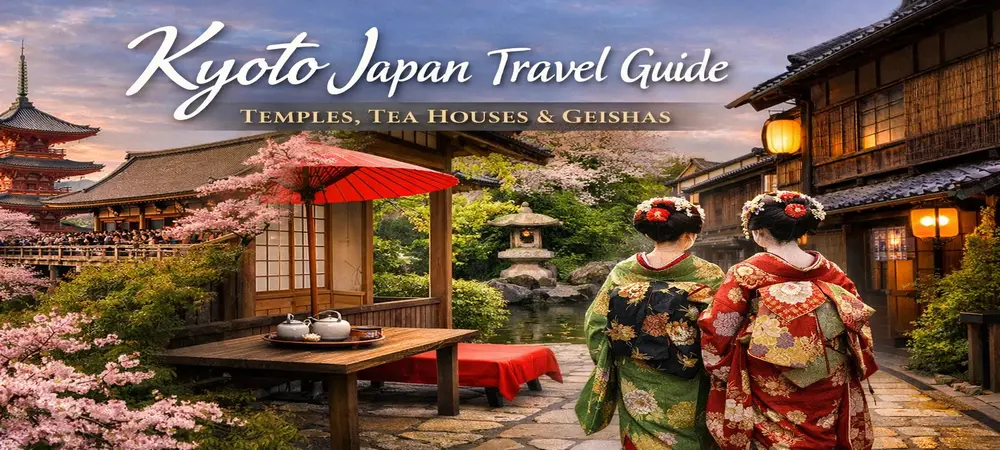


Your journey through Kyoto, Japan’s cultural heart, demands a thoughtful approach to experiencing its timeless temples, serene tea houses, and living geisha traditions. Kyoto is a city where history whispers from every corner, from the polished wood of centuries-old shrines to the delicate sway of silk kimonos along cobblestone streets. For first-time visitors or seasoned travelers seeking an immersive cultural experience, this guide provides a practical, poetic, and deeply informed roadmap to Kyoto’s spiritual, culinary, and aesthetic treasures.
Discovering Kyoto’s Spiritual Heart: A Temple Hopping Itinerary for First-Time Visitors
Kyoto boasts over 1,600 temples and shrines, each a repository of history and spirituality. While iconic sites like Kiyomizu-dera, Fushimi Inari Shrine, and Kinkaku-ji often dominate itineraries, true immersion comes from discovering quieter gems at dawn or dusk.
Tips for temple visits:
- Temizuya purification ritual: Before entering, cleanse your hands and mouth at the purification fountain to show respect.
- Early morning visits: Arashiyama and Higashiyama temples are tranquil at sunrise, avoiding the midday crowds.
- Zen gardens: Ginkaku-ji and Ryoan-ji offer meditative garden experiences perfect for reflection.
For convenience, finding the perfect Kyoto hotels near temple districts ensures easy access without long commutes.
The Art of Japanese Tea Ceremony: Where to Experience Authentic Kyoto Tea Houses
Kyoto is the epicenter of chanoyu, the Japanese tea ceremony. Participating in a ceremony requires more than observation; it’s about subtle movements, mindful gestures, and appreciating the seasonal context of tea and sweets.
Top tips for tea ceremony experiences:
- Advance booking: Traditional tea houses often require reservations.
- Etiquette: Sit formally, bow respectfully, and follow the host’s lead in handling the tea bowl.
- Locations: Uji, near Kyoto, is famed for matcha cultivation; Gion houses intimate chashitsu for private ceremonies.
Beyond tea, Kyoto offers cultural activities like kimono rentals and pottery classes. These can be arranged easily when you explore Kyoto cultural activities.
Understanding Geisha Culture in Gion: Etiquette, Experiences, and Modern Reality
The geisha, or geiko in Kyoto, remains a living emblem of Japanese artistry. While spotting them in Gion’s lantern-lit streets is enchanting, understanding the culture ensures respectful engagement.
Insider knowledge:
- Geiko vs. maiko: Maiko are apprentices with elaborate hairstyles and vibrant kimono; geiko are fully qualified professionals with more understated elegance.
- Etiquette: Do not approach for photos without permission. Observing from a distance preserves cultural respect.
- Experiences: Attend an evening cultural performance or book a tea house encounter for a curated insight into dance, music, and conversation.
Seasonal schedules affect visibility—spring and autumn evenings are particularly vibrant for cultural performances.
Kyoto Seasonal Travel Calendar: When to Visit for Cherry Blossoms and Autumn Colors
Timing your visit enhances both spiritual and aesthetic experiences.
- Cherry blossoms: Late March to early April is peak bloom. Philosopher’s Path and Maruyama Park provide scenic walks without excessive crowds if visited at dawn.
- Autumn colors: Mid-November sees maple leaves ablaze in Higashiyama temples. Ryoan-ji and Kiyomizu-dera are especially photogenic.
- Avoiding crowds: Weekdays and early mornings offer the quietest experiences, particularly at iconic spots like Fushimi Inari’s torii corridors.
Navigating Kyoto’s Districts: From Arashiyama’s Bamboo Forest to Higashiyama’s Historic Streets
Kyoto’s charm lies in its diversity of districts:
- Arashiyama: Famous for the bamboo forest and Tenryu-ji temple. Visit early for soft light through the stalks.
- Higashiyama: Cobblestone streets, traditional shops, and Kiyomizu-dera.
- Gion: Geisha sightings, teahouses, and historic architecture.
- Fushimi: Fushimi Inari Shrine and local sake breweries.
- Pontocho: Evening dining and entertainment alleyways.
Navigating is simplified with airport transfers and local transport booked in advance, ensuring smooth connections between districts.
Kyoto Culinary Journey: What to Eat Beyond Sushi and Ramen
Kyoto’s cuisine is subtle, seasonal, and deeply connected to its culture.
- Kaiseki ryori: Multi-course meals highlighting seasonal ingredients.
- Yudofu: Soft tofu dishes near temples like Nanzen-ji.
- Matcha treats: Sweets and ice creams in Uji and Gion.
- Street food: Nishiki Market offers pickled vegetables, tamagoyaki, and local snacks.
Pair culinary exploration with cultural activities, making it easy to book guided food tours and tastings.
Practical Kyoto Travel Tips: Transportation, Passes, and Cultural Sensitivity
- Japan Rail Pass: Ideal for intercity travel, including Nara and Osaka. Within Kyoto, buses and metro lines are sufficient.
- Temple attire: Wear modest clothing; avoid sleeveless tops and short skirts.
- Cultural norms: Bowing, quiet conversation, and respectful photography are essential.
- Accessibility: Many temples have steps; check in advance if mobility is a concern.
Combining cultural respect with practical logistics ensures a harmonious visit.
Crafting Your Perfect Kyoto Itinerary with AI Travel Planning
For a seamless journey, use Ziarah’s AI trip generator to create a personalized itinerary. Input your travel dates, interests, and preferred pace to balance temple visits, tea ceremonies, and geisha experiences. The platform also integrates Kyoto hotel booking, flight arrangements, and cultural activities into a single plan.
Kyoto Cultural Travel: Your Questions Answered
What is the best time of year to visit Kyoto for temple viewing?
The prime seasons are late March to early April for cherry blossoms and November for autumn foliage. Visiting at dawn or weekdays ensures quieter experiences. Some temples may have seasonal events enhancing the visit, such as lantern festivals or traditional ceremonies.
How can tourists respectfully observe geisha in the Gion district?
Observe geiko and maiko from a distance, avoid taking unsolicited photos, and do not block pathways. Attending a formal tea house or cultural performance allows deeper understanding while maintaining respect. Remember, geiko are performing artists, not tourist attractions.
What should I wear when visiting Kyoto’s temples and shrines?
Modest clothing is essential. Cover shoulders and knees, remove shoes when entering sacred spaces, and avoid loud accessories. Comfortable footwear is recommended for extensive walking along cobblestone streets and temple grounds.
Are there any temple etiquette rules foreign visitors should know?
Always perform the temizuya ritual before entering, bow respectfully at shrine gates, avoid talking loudly, and refrain from eating or drinking within temple precincts. Photography rules vary—check signage or ask guides for clarity.
How many days do I need to properly experience Kyoto’s main attractions?
A minimum of three days allows you to visit key temples and districts. A five-day stay provides a more leisurely exploration, including cultural activities, tea ceremonies, and day trips to Nara or Uji.
What’s the difference between a maiko and a geisha in Kyoto?
Maiko are apprentice geiko, distinguishable by elaborate hair ornaments, vibrant kimono, and long sleeves. Geiko are fully qualified, with more subtle attire and artistry. Both are skilled in music, dance, and traditional etiquette.
Can I participate in a tea ceremony without speaking Japanese?
Yes. Most tea houses offer English explanations or guided experiences. Follow the host’s cues for handling tea bowls and gestures. Observing attentively is often as meaningful as verbal communication.
Which Kyoto temples are most worth visiting if I’m short on time?
Prioritize Kinkaku-ji, Ginkaku-ji, Fushimi Inari Shrine, and Kiyomizu-dera. Early visits reduce crowd exposure. Combining nearby temples with walking paths like the Philosopher’s Path maximizes efficiency.
Is the Japan Rail Pass worthwhile for travel within Kyoto?
While the pass is ideal for intercity trips, local travel within Kyoto is more cost-effective using buses, subways, or walking. Use JR lines selectively, such as journeys to Arashiyama or Nijo Castle.
How does Ziarah’s AI planner handle complex cultural itineraries like Kyoto?
Ziarah AI allows travelers to combine temple visits, tea ceremonies, geisha experiences, and culinary tours into a single, optimized itinerary. It integrates hotels, flights, and local transport for seamless planning, adjusting suggestions based on personal interests and travel pace.
Kyoto is a city that bridges time, where every temple, tea house, and geisha encounter offers a glimpse into centuries of tradition. With thoughtful preparation and cultural mindfulness, your journey can be both immersive and inspiring. From the first ring of temple bells to the soft glow of lantern-lit streets in Gion, Kyoto invites you to step fully into its history and artistry.
Ready to experience the real Kyoto? Start designing your trip with the world’s most intuitive trip planner and make your cultural journey effortless, unforgettable, and truly personal.