


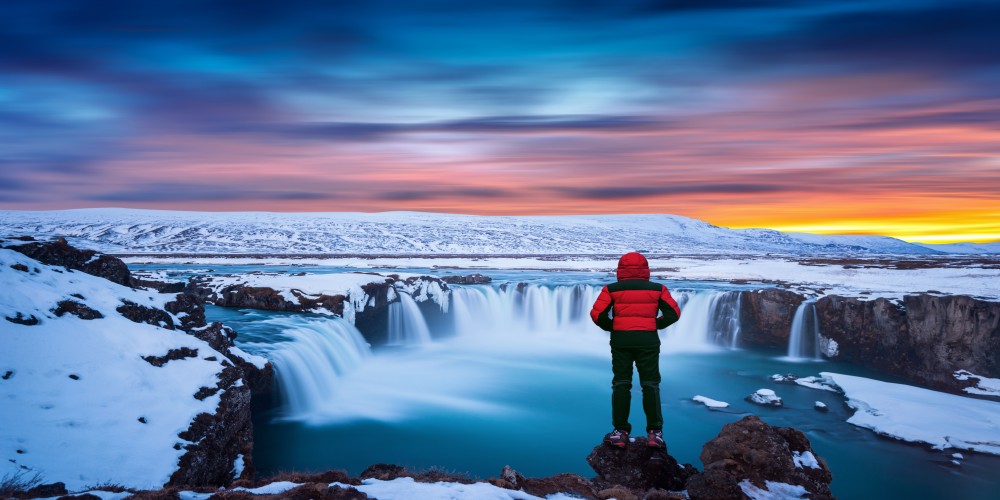
Experiencing the Northern Lights: Best Places to See in Norway & Iceland is a dream for travelers seeking the magic of auroras dancing across Arctic skies. Imagine standing on a silent fjord shore in Tromsø, Norway, as green and purple ribbons of light shimmer above, or gazing across Iceland’s frozen landscapes near Thingvellir National Park as the Aurora Borealis paints the heavens. This guide provides everything you need—from the best viewing spots and seasons, to practical travel planning, photography tips, and cultural insights—so your aurora adventure can be perfectly executed with Ziarah.
Why Norway and Iceland Are Prime Aurora Destinations
When chasing the Northern Lights, Norway and Iceland offer unrivaled accessibility, scenic diversity, and auroral frequency. Tromsø, Alta, and the Lofoten Islands in Norway experience aurora activity on roughly 80% of clear nights during peak season. Iceland, with its wide-open skies and minimal light pollution outside Reykjavik, allows travelers to witness spectacular auroral displays alongside volcanic landscapes, glaciers, and geothermal hotspots.
Both countries are well-equipped for travelers. From high-latitude airports to reliable ground transport, scenic accommodations, and guided aurora activities, Ziarah can help you seamlessly plan each step.
Best Time to See Northern Lights in Norway vs Iceland
Understanding Aurora Seasonality
The aurora is visible when nights are long, dark, and clear. Peak aurora season runs from late September to early April, with the highest probability in October, February, and March.
- Norway: Tromsø, Alta, and the Lofoten Islands offer stable winter weather for aurora sightings. February typically provides clear skies and moderate temperatures compared to deep December cold.
- Iceland: Away from Reykjavik’s light pollution, open plains, fjords, and national parks like Thingvellir are ideal. March offers longer days with still enough darkness for extended aurora viewing.
Tip: Always check the KP-index, which measures solar activity. A higher KP-index (4–6) indicates more intense, vivid displays.
Where to See Aurora Borealis in Tromsø and Reykjavik
Tromsø, Norway
Tromsø is known as the “Gateway to the Arctic” and offers high aurora visibility. Key vantage points include:
- Fjellheisen cable car for panoramic city and fjord views
- Ersfjord and Kvaløya for minimal light pollution
- Lyngen Alps for combining aurora hunting with winter adventure sports
Travel Tip: Use Ziarah’s transfer services to move efficiently from Tromsø Airport to your accommodation.
Reykjavik and Beyond
While aurora can occasionally appear above Reykjavik, venturing 30–60 minutes out into the countryside significantly improves visibility. Recommended locations:
- Thingvellir National Park
- Grotta Lighthouse
- Snæfellsnes Peninsula
Pro Tip: Bundle your aurora experience with a geothermal soak in hot springs like the Secret Lagoon for a magical contrast of fire and ice.
Northern Lights Tour Guide for First-Time Visitors
If you’re new to aurora hunting, guided tours maximize your chances of success. Tours often include:
- Professional aurora forecasting
- Transportation to low-light areas
- Warm shelters, photography assistance
In Norway, consider dog sledding or snowmobile tours that combine adventure with aurora viewing. In Iceland, 4×4 super jeep tours allow you to chase auroras across glaciers and volcanic landscapes.
Explore curated activities through Ziarah’s activity planning to select tours suited to your experience level and interests.
Planning a Trip to See the Aurora in Scandinavia
A successful aurora trip requires careful planning:
- Flights: Use Ziarah’s flights search to find optimal connections to Tromsø or Reykjavik.
- Accommodation: Book hotels near aurora hotspots for quick night excursions via Ziarah’s hotels. Options range from luxury glass igloos to boutique lodges.
- Transfers: Ensure safe and reliable ground travel with Ziarah’s transfer services.
- Activities: Schedule daytime excursions—fjord tours, glacier hikes, whale watching—to complement nighttime aurora viewing.
For a fully customized itinerary, let Ziarah AI craft your trip, factoring in peak aurora periods, travel pace, and personal preferences.
Is February or March Better for Aurora Hunting?
- February: Offers long nights, crisp weather, and often clearer skies. Daylight is still limited, but winter activities are abundant.
- March: Slightly warmer nights and longer daylight for sightseeing, while aurora activity remains strong. Photographers often prefer March for balanced light conditions.
How to Photograph Northern Lights with a Smartphone
Capturing the aurora doesn’t require expensive DSLR equipment. For beginners:
- Use a tripod or stable surface
- Set long exposure (10–30 seconds if your phone allows)
- Increase ISO for low-light sensitivity
- Use apps with manual controls (Night mode or Pro mode)
- Experiment with foreground elements—trees, cabins, or fjords—to add depth
For professional-grade results, consider a mirrorless camera with a wide-angle lens and remote shutter.
Combining Northern Lights with Fjord Tours in Norway
Many travelers opt to combine aurora hunting with fjord exploration:
- Northern Norway’s fjords—Lyngen, Trollfjord, and Hjørundfjord—offer surreal backdrops
- Evening cruises allow aurora viewing from the water, creating mirrored reflections of light
- Dog sledding across snow-covered fjords is an unforgettable multi-sensory experience
All these experiences can be pre-arranged through Ziarah activity planning.
Iceland Northern Lights Vacation Packages All-Inclusive
Iceland offers structured packages ideal for first-time aurora chasers:
- Guided tours with professional aurora forecasts
- Airport transfers and hotel accommodations
- Day excursions to geysers, glaciers, and volcanic landscapes
Using Ziarah’s AI-powered trip planner, travelers can bundle flights, lodging, and activities into a seamless, all-inclusive aurora holiday.
What to Pack for a Winter Aurora Borealis Trip
Packing smart is essential for comfort and photography:
- Thermal base layers, insulated jackets, and waterproof pants
- Warm hats, gloves, and scarves
- Sturdy, insulated winter boots
- Headlamp or flashlight
- Camera gear or smartphone with tripod
- Snacks, hot beverages, and reusable water bottles
Always check the daily forecast and aurora predictions to dress appropriately for prolonged nighttime exposure.
Chasing the Aurora: Best Places Away from Light Pollution
For optimal viewing:
- Northern Norway: Lyngen Alps, Kvaløya, Alta
- Iceland: Thingvellir National Park, Lake Mývatn, Westfjords, Snæfellsnes Peninsula
Aim for locations above the Arctic Circle and far from city lights. Weather apps and aurora forecasts are crucial for timing excursions.
Northern Lights Forecast and How to Read It
Aurora forecasts rely on:
- KP-index: Measures geomagnetic activity; 0–9 scale. 4+ indicates strong auroras.
- Solar wind speed and density: Higher speeds enhance aurora activity.
- Local weather: Clear skies are essential; clouds block visibility.
Norwegian Meteorological Institute and Icelandic Met Office provide real-time aurora predictions. Use apps for alerts and location-specific forecasts.
Cultural Significance of Aurora Borealis in Sami Tradition
The Sami, indigenous to northern Scandinavia, hold the aurora in reverence:
- Considered a spiritual phenomenon
- Traditional stories associate the lights with guidance and ancestral spirits
- Visitors should respect local customs—avoid loud noises or pointing directly at the aurora
Learning about cultural context adds depth to your aurora experience.
How Ziarah Enhances Your Northern Lights Trip
Ziarah simplifies complex planning:
- Generates AI-customized itineraries including flights, accommodations, and activities
- Recommends aurora viewing spots with local expertise
- Ensures safe and reliable transfers to remote areas
- Optimizes for seasonal weather and aurora activity
Start planning your seamless aurora journey with the world’s best trip planner via Ziarah.
Frequently Asked Questions
What is the absolute best month to see the Northern Lights in Iceland?
The optimal months for aurora viewing in Iceland are October through March, with peak activity often occurring in February and March. These months provide long, dark nights combined with clear skies, maximizing visibility. Avoid summer months due to the midnight sun, which makes auroras impossible to see.
Can I see the Aurora Borealis from Reykjavik, or do I need to go into the countryside?
While it’s sometimes possible to see auroras from Reykjavik, light pollution greatly reduces visibility. For optimal viewing, travel 30–60 minutes outside the city to dark-sky locations such as Thingvellir National Park or the Snæfellsnes Peninsula, where clear night skies dramatically increase your chances.
How cold does it get on a typical Northern Lights tour in Norway?
Temperatures vary depending on location and month. In Tromsø or Alta, winter nights range from -5°C to -20°C (-23°F to -4°F). Coastal regions like the Lofoten Islands may be slightly milder due to oceanic influence. Dressing in thermal layers, insulated outerwear, and protective accessories is essential for comfortable aurora hunting.
Do I need a guided tour to see the Northern Lights, or can I self-drive?
Guided tours are highly recommended for first-time visitors as they maximize aurora visibility and provide transportation to low-light areas. However, experienced travelers can self-drive, provided they monitor weather, KP-index forecasts, and road conditions. Both options can be arranged through Ziarah’s activity planning services.
What are the key differences between seeing the Lights in Norway versus Iceland?
Norway offers high-latitude, fjord-based landscapes with frequent auroras, often combined with winter activities like dog sledding. Iceland provides volcanic and glacial backdrops, making auroras visually unique against ice, lava fields, and geysers. Norway’s infrastructure is highly developed, while Iceland offers more remote, rugged experiences.
How does the solar cycle (KP index) affect my chances of seeing the Aurora?
The KP-index measures geomagnetic storm intensity. Values of 4–9 indicate strong auroras, visible at lower latitudes. Travelers should monitor KP-index forecasts via aurora apps to time excursions. Clear skies and minimal light pollution remain equally important to ensure visibility.
What are the best camera settings for photographing the Northern Lights for a beginner?
Use a wide-angle lens, tripod, and remote shutter. Manual mode: ISO 800–3200, aperture f/2.8–4, shutter speed 10–30 seconds depending on light intensity. Focus to infinity and consider foreground objects for depth. Experimenting with exposure times is key to capturing vivid aurora colors.
Are there any cultural etiquettes I should know when viewing the Lights in Sami areas of Norway?
Respect Sami traditions: avoid loud noises, do not disturb sacred sites, and refrain from pointing directly at the aurora. Engage with local guides to learn about stories and customs, ensuring your visit is both enriching and culturally sensitive.
What should I pack specifically for a Northern Lights hunting trip?
Pack thermal base layers, waterproof outerwear, insulated boots, warm gloves and hats, a headlamp, camera or smartphone with tripod, and hot beverages. Layering is essential for prolonged outdoor exposure in Arctic conditions, and portable power banks are recommended for long photography sessions.
How does Ziarah’s AI trip planner simplify booking a complex Northern Lights itinerary?
Ziarah AI considers aurora seasonality, flight availability, lodging proximity, and ground transfers to craft a fully optimized itinerary. It can combine guided tours, day excursions, and cultural experiences, allowing travelers to plan efficiently while ensuring maximum aurora viewing potential. Explore this feature here.