

Egypt should be your next travel destination if you are looking for a place that combines ancient history, world-famous landmarks, vibrant culture, and unforgettable travel experiences. Located in North Africa and known as one of the cradles of civilization, Egypt attracts millions of travelers every year who come to explore its iconic pyramids, majestic temples, and the legendary Nile River.
For frequent travelers and first-time visitors, Egypt offers an incredible mix of historical exploration, cultural discovery, desert adventures, and beautiful coastal resorts. From the bustling streets of Cairo to the peaceful temples of Luxor and the crystal-clear waters of the Red Sea, Egypt is a destination that provides something unique for every type of traveler.
This guide highlights 7 compelling reasons why Egypt should be your next travel destination, helping travelers understand why this ancient land continues to fascinate visitors from around the world.
Travelers planning their stay in Egypt can explore hotel options here: Hotels
1. Explore the Legendary Pyramids of Giza
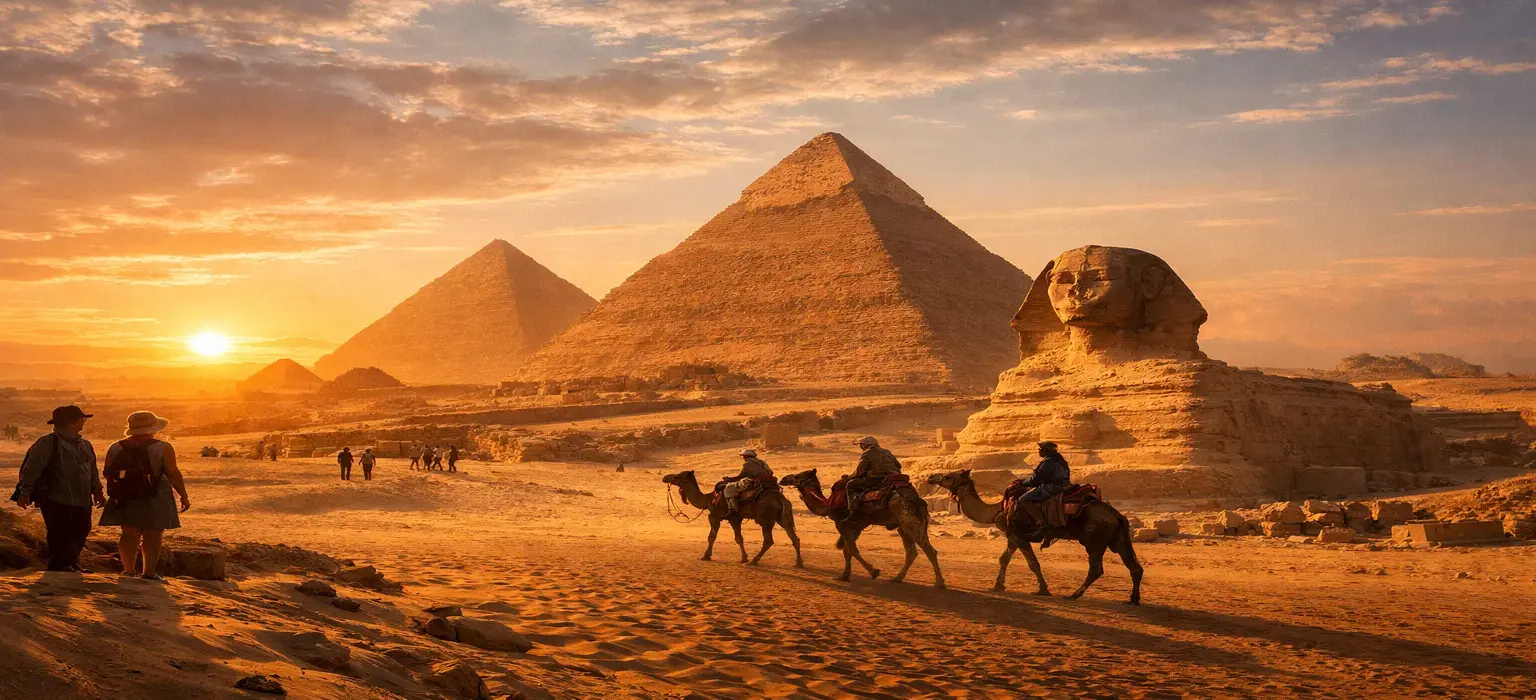
The Pyramids of Giza are one of the most iconic landmarks in the world and one of the main reasons travelers visit Egypt. Built more than 4,500 years ago, these massive structures remain one of the greatest architectural achievements in human history.
Visitors exploring the Giza Plateau can see:
- The Great Pyramid of Khufu
- The Pyramid of Khafre
- The Pyramid of Menkaure
- The Great Sphinx
Standing in front of these ancient monuments offers an unforgettable experience that connects travelers with one of the oldest civilizations in the world.
Travelers can easily search international flights to Egypt here: Flights Search
2. Discover the Temples of Luxor and Karnak
Luxor is often described as the world’s greatest open-air museum, and for good reason. The city is home to some of the most impressive temples and archaeological sites in Egypt.
Must-visit sites in Luxor include:
- Karnak Temple Complex
- Luxor Temple
- Valley of the Kings
- Temple of Hatshepsut
These sites showcase the grandeur of ancient Egyptian architecture and the remarkable achievements of the pharaohs.
3. Cruise Along the Famous Nile River
A Nile River cruise is one of the most memorable travel experiences in Egypt. The Nile, often called the lifeline of Egypt, has supported civilizations for thousands of years.
Travelers on a Nile cruise can enjoy:
- Scenic river views
- Visits to ancient temples
- Traditional Egyptian villages
- Luxurious cruise experiences
Many cruises travel between Luxor and Aswan, offering incredible opportunities to explore historical sites along the river.
Travelers interested in guided tours and cultural experiences can explore activities here: Activity
4. Experience Egypt’s Rich Culture and Local Traditions
Egypt is not only about ancient monuments—it is also a country with vibrant modern culture and warm hospitality. Visitors can explore lively markets, traditional cafés, and cultural neighborhoods.
Cultural highlights include:
- Khan El Khalili Bazaar in Cairo
- Traditional Egyptian music and dance
- Local artisan markets
- Authentic Egyptian cuisine
Travelers who explore beyond the main tourist attractions often discover fascinating local traditions and everyday life.
5. Relax on the Stunning Red Sea Beaches
Egypt is home to some of the most beautiful beach destinations in the Middle East. The Red Sea coastline offers crystal-clear waters, colorful coral reefs, and excellent diving opportunities.
Popular Red Sea destinations include:
- Sharm El Sheikh
- Hurghada
- Dahab
- Marsa Alam
These beach resorts are perfect for travelers who want to combine historical sightseeing with relaxation and water activities.
Travelers who need airport transfers and local transportation can arrange them here: Transfer
6. Explore Ancient Tombs and Hidden Archaeological Wonders
Egypt continues to reveal new archaeological discoveries every year. Many ancient tombs, temples, and artifacts remain hidden beneath the desert sands.
Some fascinating sites include:
- Tombs in the Valley of the Kings
- Abu Simbel temples built by Ramses II
- Saqqara Step Pyramid complex
- Ancient burial chambers and hieroglyphic inscriptions
These discoveries provide deeper insights into the fascinating history of ancient Egyptian civilization.
7. Unique Desert Adventures
Egypt’s vast deserts offer incredible opportunities for adventure travelers. From camel rides near the pyramids to exploring dramatic desert landscapes, there are many ways to experience the country’s natural beauty.
Popular desert experiences include:
- Sahara desert safaris
- White Desert National Park tours
- Bedouin cultural experiences
- Stargazing in remote desert areas
These adventures offer a completely different side of Egypt beyond its famous monuments.
Travelers can generate a personalized travel itinerary for Egypt here: Generate Package By AI
Why Egypt Continues to Inspire Travelers Worldwide
Egypt remains one of the most fascinating travel destinations on Earth because it combines thousands of years of history with vibrant modern culture. Travelers can explore ancient wonders, experience local traditions, relax on beautiful beaches, and enjoy exciting desert adventures—all in one country.
For travelers seeking a destination that offers history, culture, adventure, and unforgettable experiences, Egypt is truly a place that belongs on every travel bucket list.
Travelers who want to organize their entire trip easily can start planning here: Best Trip Planner
Frequently Asked Questions About Traveling to Egypt
Why is Egypt a popular travel destination?
Egypt is famous for its ancient monuments, including the Pyramids of Giza, temples of Luxor, and the Nile River. These historic landmarks, combined with vibrant culture and beautiful Red Sea beaches, make Egypt one of the most popular travel destinations in the world.
What is the best time to visit Egypt?
The best time to visit Egypt is between October and April when the weather is cooler and more comfortable for sightseeing. Summer months can be extremely hot, especially in desert regions and historical sites.
Is Egypt safe for international travelers?
Egypt is generally safe for tourists, especially in major travel destinations such as Cairo, Luxor, and Red Sea resorts. Travelers should follow local travel guidelines, stay informed about safety updates, and book tours with trusted providers.
How many days are needed to explore Egypt?
Most travelers spend between 7 and 10 days exploring Egypt. This allows enough time to visit Cairo, the Pyramids of Giza, Luxor, Aswan, and possibly relax at a Red Sea resort.
What currency is used in Egypt?
The official currency of Egypt is the Egyptian Pound (EGP). Travelers can exchange foreign currency at banks, airports, and authorized exchange centers. Credit cards are also widely accepted in hotels and major tourist areas.
Do travelers need a visa to visit Egypt?
Most international travelers need a visa to enter Egypt. Many nationalities can obtain an e-visa online or receive a visa on arrival at major airports. Travelers should check the latest visa requirements before planning their trip.
What food should travelers try in Egypt?
Popular Egyptian dishes include koshari, falafel, ful medames, shawarma, and grilled meats. Egyptian cuisine is flavorful and often combines Mediterranean and Middle Eastern influences.
Can travelers combine Egypt with other Middle East destinations?
Yes, many travelers combine Egypt with nearby destinations such as Jordan, the United Arab Emirates, or Turkey. Regional flights make it easy to visit multiple countries during one trip.
What are the best activities in Egypt besides visiting pyramids?
In addition to pyramids, travelers can enjoy Nile River cruises, snorkeling or diving in the Red Sea, exploring ancient temples, visiting traditional markets, and experiencing desert adventures.
How can travelers plan a complete Egypt trip easily?
Travelers can simplify trip planning by using modern travel platforms that combine flights, hotels, activities, and transportation in one place. AI-powered travel planners help create personalized itineraries based on traveler preferences, travel dates, and destination interests.