


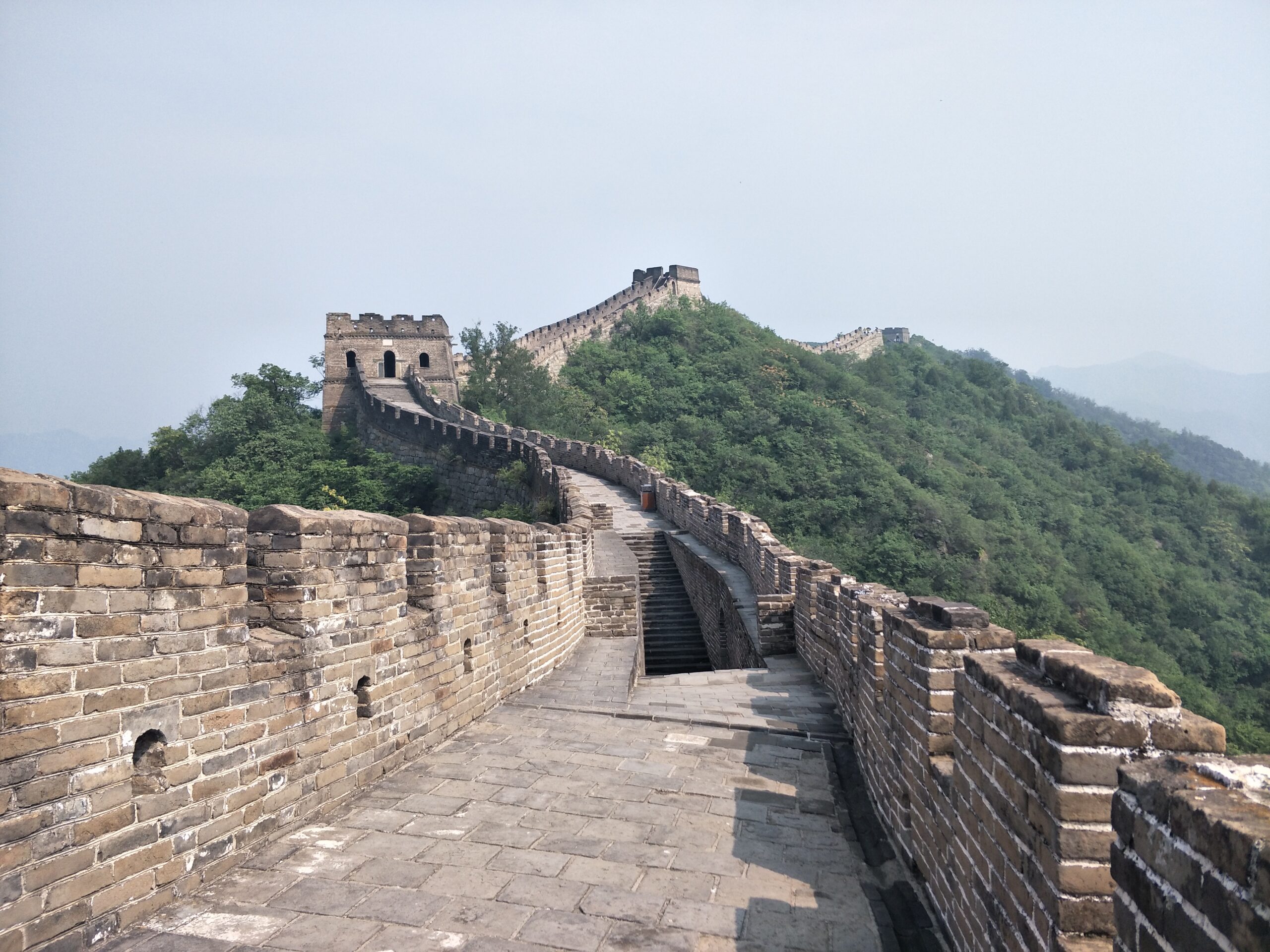
Great Wall of China Survival Guide: Essential Tips for an Unforgettable & Safe Adventure
Embarking on a Great Wall of China Survival Guide adventure is an experience that demands preparation, insight, and practical wisdom. Whether you’re hiking the popular Badaling section or tackling the wild stretches of Jiankou, this guide covers everything from terrain challenges to logistical tricks, ensuring your journey is both safe and unforgettable. By understanding Day trips from Beijing, transport options, weather patterns, and essential gear, you can focus on awe-inspiring views instead of avoidable mistakes.
Why You Need a Survival Guide for the Great Wall of China
The Great Wall isn’t just a historic monument—it’s a sprawling network of fortifications stretching over 21,000 kilometers across northern China, built over centuries to protect the empire from invasions. While iconic photos often show smooth, restored stretches, many sections are rugged, uneven, and physically demanding.
A survival guide is crucial because:
- Terrain varies wildly: Steps can be irregular, inclines steep, and paths slippery after rain or frost./li>
- Weather is unpredictable: Temperatures can swing from freezing in winter to scorching in summer.
- Logistics are complex: Choosing the right section, transport, and timing ensures you maximize experience while minimizing stress.
For travelers overwhelmed by multi-destination planning, consider using a sophisticated trip planner to integrate your Great Wall adventure seamlessly into your broader China itinerary.
Choosing Your Great Wall Section: From Bustling Badaling to Wild Jiankou
Selecting the right section depends on your fitness, experience, and purpose of visit.
Badaling & Mutianyu: Best for First-Time Visitors and Families
- Location & Access: Badaling is about 70 km northwest of central Beijing, easily accessible via road and train. Mutianyu, in Huairou District roughly 70 km northeast of Beijing, offers a slightly less crowded, beautifully restored alternative.
- Why It’s Ideal: Both are well-paved, include cable car options, and have facilities like restrooms and restaurants, making them perfect for families and first-time hikers.
- Photography Tip: Early morning is best for unobstructed shots before tour buses arrive.
Jinshanling to Simatai: The Perfect Hike for Photography Enthusiasts
- Terrain & Views: Stretching across Hebei province, this section features partially restored towers, steep inclines, and panoramic vistas.
- Hiking Difficulty: Moderate to challenging. Trails are ideal for those carrying cameras and wanting golden-hour or sunrise photography.
- Tip: Carry ample water and energy snacks, as facilities are limited between Jinshanling and Simatai.
Huanghuacheng & Jiankou: Rugged Adventures for Experienced Hikers
- Adventure Level: These are wild, unrenovated sections with crumbling stone, exposed ridges, and technical challenges.
- Recommended Gear: Hiking shoes with excellent grip, gloves, and trekking poles. Always check weather forecasts, as snow or rain can make the trail treacherous.
- Reward: Incredible solitude, dramatic scenery, and the satisfaction of walking sections few travelers attempt.
Master the Logistics: Getting from Beijing to the Great Wall Stress-Free
A stress-free start is essential to enjoy the hike fully.
Booking a Private Transfer vs. Public Transport: A Time-Safety Analysis
- Private Transfers: Ideal for comfort, flexibility, and safety, especially for groups or travelers with limited time. Pre-book private, vetted transfers to avoid last-minute chaos.
- Public Options: Buses and trains are cheaper but may require multiple transfers and schedule planning. For first-timers, consider the trade-off between cost and efficiency.
For those wanting the easiest, timed, ticket-included experience, generate a custom AI-powered package to cover transfers, tickets, and itinerary integration.
Your Day-Pack Checklist: What to Bring to the Great Wall of China
A prepared day-pack is your survival toolkit. Essentials include:
- Water: Carry twice as much as you think you’ll need; hydration is critical on steep, exposed sections.
- Snacks: Energy bars, nuts, and dried fruits.
- Clothing Layers: Weather changes quickly; pack a waterproof jacket, hat, and light gloves.
- Footwear: Hiking shoes with grip to handle uneven steps and slippery stones.
- Sun Protection: Sunglasses, SPF 30+, and a brimmed hat.
- Camera & Phone: Fully charged, with power bank.
- First Aid Kit: Plasters, blister pads, and pain relievers.
- Trail Map or Offline GPS: Some wild sections have no cell coverage.
Navigating the Wall: Terrain, Weather, and Physical Preparedness
Dealing with Summer Heat and Crowds at the Great Wall
- Timing: Arrive early (before 8 a.m.) to avoid peak crowds at Badaling and Mutianyu.
- Hydration & Shade:Use early morning hours to hike before mid-day heat peaks. Some sections, like Mutianyu, have shaded spots and cable cars to conserve energy.
- Crowds Tip: Weekdays are preferable; weekends attract domestic tourists and tour groups.
Winter Wonders: Visiting the Great Wall in Snow and Ice
- Weather Conditions: The Wall can be slippery and freezing, especially in Huanghuacheng and Jiankou.
- Gear: Waterproof, insulated boots, layered clothing, and trekking poles are mandatory for safety.
- Reward: Snow-covered towers and ridges offer magical, nearly private photo opportunities.
Cultural Etiquette and Preservation: Being a Responsible Traveler
Respecting the Great Wall is crucial for its preservation:
- Avoid stepping off marked paths or climbing unstable towers.
- Don’t leave trash; carry out all waste.
- Minimize loud noises; the Wall is often adjacent to remote villages.
- Support local economy by purchasing snacks or drinks from authorized vendors.
The Smart Traveler’s Edge: Booking with a Personalized Itinerary
For travelers seeking maximum efficiency and peace of mind, using a planning tool ensures logistics, timing, and tickets are coordinated. After your stay, explore curated hotels in Beijing and booking authentic cultural experiences for a full China adventure.
By integrating flight planning, finding the best flights to Beijing, transfers, and multi-day itineraries, you can experience the Wall stress-free and focus on the adventure.
Frequently Asked Questions (FAQs) About Visiting the Great Wall
What is the best section of the Great Wall of China for first-time visitors?
Badaling is the most accessible and fully restored, perfect for first-timers and families. Mutianyu offers a similar experience with fewer crowds. Both sections include cable cars, restaurants, and restrooms. For moderate hikers wanting scenic photography, Jinshanling is a strong alternative.
How do I get from Beijing to the Great Wall of China independently?
Independent travelers can take buses, trains, or hire taxis. Buses depart from Dongzhimen or Huairou districts, while trains from Beijing North Station reach some Wall-adjacent towns. For comfort and flexibility, many choose pre-booked private transfers.
Can I visit the Great Wall of China in one day from Beijing?
Yes. Sections like Badaling or Mutianyu can be visited in a day trip. Allocate 6–8 hours including travel, hiking, and photography. Departing early morning ensures a less crowded experience. Consider packages that include transportation and tickets for convenience.
What should I wear and pack for a Great Wall of China hike?
Wear hiking shoes with grip, moisture-wicking layers, and a waterproof jacket. Essentials include sunscreen, water (double your estimate), snacks, gloves, hat, and a small first aid kit. Trekking poles are recommended for uneven, steep terrain, particularly in wild sections.
Is it difficult to hike the Great Wall of China?
Difficulty varies by section. Badaling and Mutianyu are moderate; Jinshanling and Simatai are moderate-to-challenging, while Jiankou and Huanghuacheng are strenuous, requiring good fitness, balance, and preparation. The uneven steps can strain knees and ankles.
What are the entrance fees and opening hours for the Great Wall?
Fees vary: Badaling (~40–45 CNY), Mutianyu (~45–55 CNY, cable car extra), Jinshanling (~65–70 CNY). Most sections open 7:30 a.m.–5:00 p.m., but winter hours may close earlier. Always check official updates before visiting.
Are there guided tours for the Great Wall that include transportation?
Yes. Many operators offer guided tours including pickup, tickets, and optional meals. Packages vary in length and price. Travelers wanting efficiency can generate a custom AI-powered packagecovering these logistics seamlessly.
What is the weather like at the Great Wall throughout the year?
Summer (June–August) is hot and humid, often 25–35°C, with occasional rain. Winter (December–February) is cold, often below 0°C, with snow. Spring and autumn are ideal for mild temperatures and clear skies, perfect for photography and hiking.
How can I avoid the crowds at the Great Wall of China?
- Visit weekday mornings.
- Consider lesser-known sections like Jinshanling, Gubeikou, or Huanghuacheng.
- Arrive early or late afternoon for sunset photography.
- Avoid public holidays when domestic tourists flock to Badaling.
What are the rules and etiquette for visiting the Great Wall?
- Stay on designated paths.
- Carry out all waste; do not deface walls.
- Respect local communities nearby.
- Avoid climbing unstable towers or parapets. Responsible tourism preserves this UNESCO World Heritage Site.
Alex Chen is a veteran travel writer with 20+ years of experience exploring Asia’s iconic destinations. He specializes in creating survival-focused, practical guides for global travelers, blending hands-on insights with logistical expertise, safety tips, and immersive cultural context.