



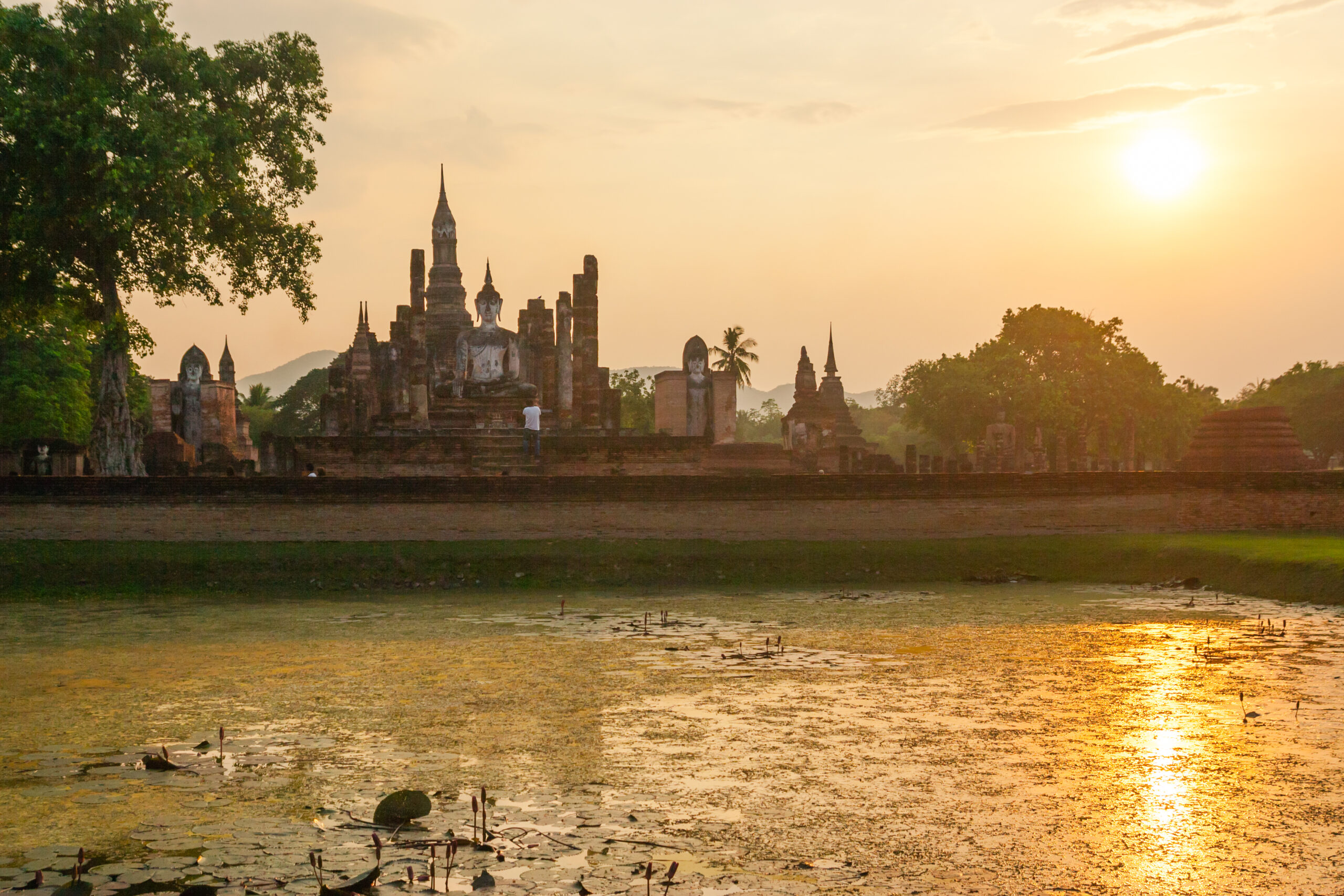
The Angkor Wat sunrise experience is a pilgrimage for photographers and travelers alike, but transforming that chaotic dawn into your iconic image requires more than just an alarm clock—it demands a strategist’s plan. From pre-dawn logistics to selecting the perfect angle over the lotus ponds, this guide will give you the complete blueprint to capture the temple at its most magical hour, while ensuring your visit is seamless, safe, and unforgettable. Whether you’re chasing the classic mirrored shot, intimate bas-relief details, or elevated perspectives, this guide blends photography precision with the soul of travel.
Angkor Wat, nestled in Siem Reap province within the Angkor Archaeological Park , is the crown jewel of Khmer architecture. Its sunrise is legendary: a play of gold light across sandstone towers, mirrored in serene pools, against a backdrop of mist rolling over Tonle Sap lake. But like any iconic destination, timing, location, and preparation make the difference between a snapshot and a masterpiece.
Beyond the Reflection: Why Your Angkor Wat Sunrise Experience Needs a Plan
Photography at Angkor Wat is as much about patience and logistics as it is about camera settings. Arriving without a strategy often means standing behind a crowd, missed light, and frustration. Planning ensures:
- Optimal use of the brief golden hour.
- Freedom to explore less crowded perspectives like the South Pond or temple terraces.
- Integration with a wider Angkor Park itinerary without rushing.
A well-prepared approach balances the thrill of dawn with the tranquility of early morning light—a combination that professional photographers and serious travelers prize.
The Blueprint: A Photographer’s Timeline for the Perfect Angkor Wat Sunrise
Pre-Dawn Strategy: Securing Your Spot at Angkor Wat Before the Crowds
- Arrival Time: Plan to reach the main west entrance 60–90 minutes before official sunrise. This provides a front-row position at the North Lotus Pond, the classic reflection point.
- Transportation: Booking a reliable, pre-vetted private transfer from Siem Reap is crucial; avoid tuk-tuks or self-drive at 4 AM.
- Ticket Requirements: Your Angkor Pass must be purchased the afternoon before; sunrise is considered part of the standard park opening hours, but guards enforce pass checks.
Tip: Consider staying at guesthouses near Angkor Wat for rapid early morning access; Ziarah hotels offers curated selections.
The Golden Moments: Pre-Sunrise to Sunrise Light at Angkor Wat
- First Light: The sky often turns a soft lavender before the sun crests the horizon. Position yourself so the central towers are framed with water reflections or surrounding foliage.
- Golden Hour: The warm sun enhances sandstone textures; f/8–f/11 apertures create a starburst effect if the sun is partially visible over the towers.
- Crowd Management: Use telephoto lenses to isolate details, like distant silhouettes or subtle morning activity, while avoiding crowded foregrounds.
After the Sunrise: Leveraging the Soft Morning Light for Unique Shots
- Side Reflections: After the main spectacle, the South Pond provides angled reflections with fewer tourists.
- Bas-Relief Highlights: The soft morning light illuminates carvings on libraries and galleries, allowing intimate shots of mythological stories etched in stone.
- Elevated Perspectives: Explore quiet terraces and low-traffic upper walkways for compositional variety.
The Photo Spots Decoded: A Map for Every Photographer
The Classic Reflection: Positioning at the Lotus Pond (North & South)
- North Pond: Iconic for symmetry shots with perfect mirrored towers; arrive 90 minutes early.
- South Pond: Slightly angled view, more serene, fewer crowds; great for candid shots of early visitors or monks.
The Left-Frame Silhouette: Utilizing the Library Structures
- Framing the towers with temple libraries in foreground adds depth and historical context. Best captured 15–20 minutes after sunrise when shadows are soft.
The Intimate Detail: Focusing on Bas-Reliefs in Dawn Light
- Focus on devata carvings and narrative friezes along galleries. Early light casts subtle shadows, revealing intricate relief work.
- Lens tip: 35–50mm prime lenses or macro lenses capture details without distortion.
The Elevated Perspective: Finding Quiet Terraces Within the Complex
- Some terraces at the eastern wings allow unique viewpoints of the central towers and surrounding moats. Less crowded and perfect for wide-angle compositions.
Pro Tip: Using a Monopod in Crowded Spaces at Angkor Wat
- A monopod stabilizes shots without obstructing others.
- Lightweight and portable, it’s ideal for confined pondside areas.
Essential Gear Checklist for Photographing Angkor Wat at Sunrise
- DSLR or mirrorless camera with wide-angle and telephoto lenses.
- Sturdy tripod or monopod for reflections and low light.
- Polarizing filter to manage glare on pond surfaces.
- Extra batteries and memory cards.
- Light jacket or wrap for cool pre-dawn temperatures.
- Water and snacks if planning a long morning shoot.
Navigating Logistics: Tickets, Transport, and Temple Rules
Booking Your Angkor Wat Pass and Sunrise Access from Siem Reap
- Passes: 1-day (~$37), 3-day (~$62), 7-day (~$72) options. Purchase at the official ticketing center the day prior.
- Tip: For photography-heavy visits, the 3-day pass allows multiple dawn attempts under different light and weather conditions.
Arranging Reliable Pre-Dawn Transportation to Angkor Wat
- Private transfers ensure prompt arrival; tuk-tuks are unreliable before sunrise.
- Ziarah transfer services streamline the experience, with knowledgeable drivers familiar with the park’s one-way traffic rules at dawn.
Crafting the Complete Experience: Beyond the Sunrise Click
Pairing Your Sunrise with a Curated Angkor Archaeological Park Itinerary
- After capturing sunrise, visit Angkor Thom, Bayon Temple, and Ta Prohm before crowds peak.
- Include nearby Srah Srang reservoir for additional early-morning reflection shots.
- Consider Phnom Bakheng viewpoint for elevated sunset options later in the day.
For travelers seeking to balance photography with cultural exploration, consider discovering authentic cultural tours and local experiences.
Frequently Asked Questions (FAQs) for the Angkor Wat Sunrise
What time should I arrive at Angkor Wat for the sunrise?
Arrive at least 60–90 minutes before sunrise to secure your spot at the North Lotus Pond. This allows time for security checks, selecting a tripod location, and scouting foreground compositions. Pre-dawn light is subtle, and early arrival ensures you capture the full transition from darkness to dawn.
Where is the exact best spot to photograph the Angkor Wat sunrise reflection?
The northern of the two main lotus ponds in front of the west entrance is the classic reflection spot. Arrive early, use a tripod, and frame the central towers symmetrically. For quieter shots, the South Pond offers angled reflections with fewer tourists, ideal for intimate compositions.
Do I need a special ticket or pass for the Angkor Wat sunrise experience?
Yes, a valid Angkor Pass is required for entry. Your ticket must be purchased the afternoon before your sunrise visit. 1-day, 3-day, and 7-day passes are available, with 3-day passes favored by photographers who want multiple dawn opportunities. Guards strictly enforce ticket checks.
What camera settings are recommended for the Angkor Wat sunrise?
- Aperture: f/8–f/11 for sharp depth of field.
- ISO: 100–400 depending on light.
- Shutter Speed: Adjust for reflection clarity; slow speeds may require ND filters for water reflections.
- Consider bracketing exposures for HDR to capture the dynamic range between shadows and sunrise highlights.
Is the Angkor Wat sunrise worth it, or is it too crowded?
Despite crowds, the sunrise is worth it for the first light hitting the towers. Arriving early and scouting alternative spots like the South Pond or elevated terraces minimizes crowd interference. Early November to February often sees clearer skies and fewer visitors.
What should I wear and bring for the Angkor Wat sunrise visit?
Wear lightweight, breathable clothing for humid mornings, comfortable shoes for walking, and a light jacket for early hours. Bring water, snacks, and insect repellent. A small backpack for camera gear and tripod storage is essential.
Can I visit other temples after the Angkor Wat sunrise?
Absolutely. After sunrise, the park opens fully for Angkor Thom, Bayon, Ta Prohm, and Srah Srang. Consider using a best-trip planner to balance photography with walking distances and heat exposure.
What is the best time of year for a clear Angkor Wat sunrise?
November to February offers cooler temperatures, low humidity, and high probability of clear skies. Avoid the wet season (May-October) if you want consistent reflection shots and uninterrupted sunrises.
Are there guided photography tours for the Angkor Wat sunrise?
Yes, several guided photography tours offer sunrise-specific itineraries, teaching composition, exposure, and timing. For seamless coordination, Ziarah can generate a custom AI-powered itinerary including expert guides.
What are the alternatives if the weather is bad for the sunrise?
- Sunset at Phnom Bakheng or Bakheng Hill terraces for dramatic skies.
- Exploring other temples like Ta Prohm for forest-light interactions.
- Indoor or shaded photography lessons at the Angkor National Museum .
Author’s Reflection: The Dawn of Angkor
The true magic of Angkor Wat at sunrise is intangible: the hush as the first rays kiss sandstone, the soft murmur of visitors, the fleeting reflections in still water. A successful capture blends preparation, patience, and respect for the site. Approaching it as both a photographer and traveler transforms a simple click into a memory, a story, and an image worthy of framing.
With Ziarah, this journey—from pre-dawn logistics to curated temple tours—is streamlined. They remove friction so you can focus on creativity, wonder, and the satisfaction of witnessing one of the world’s most iconic sunrises.