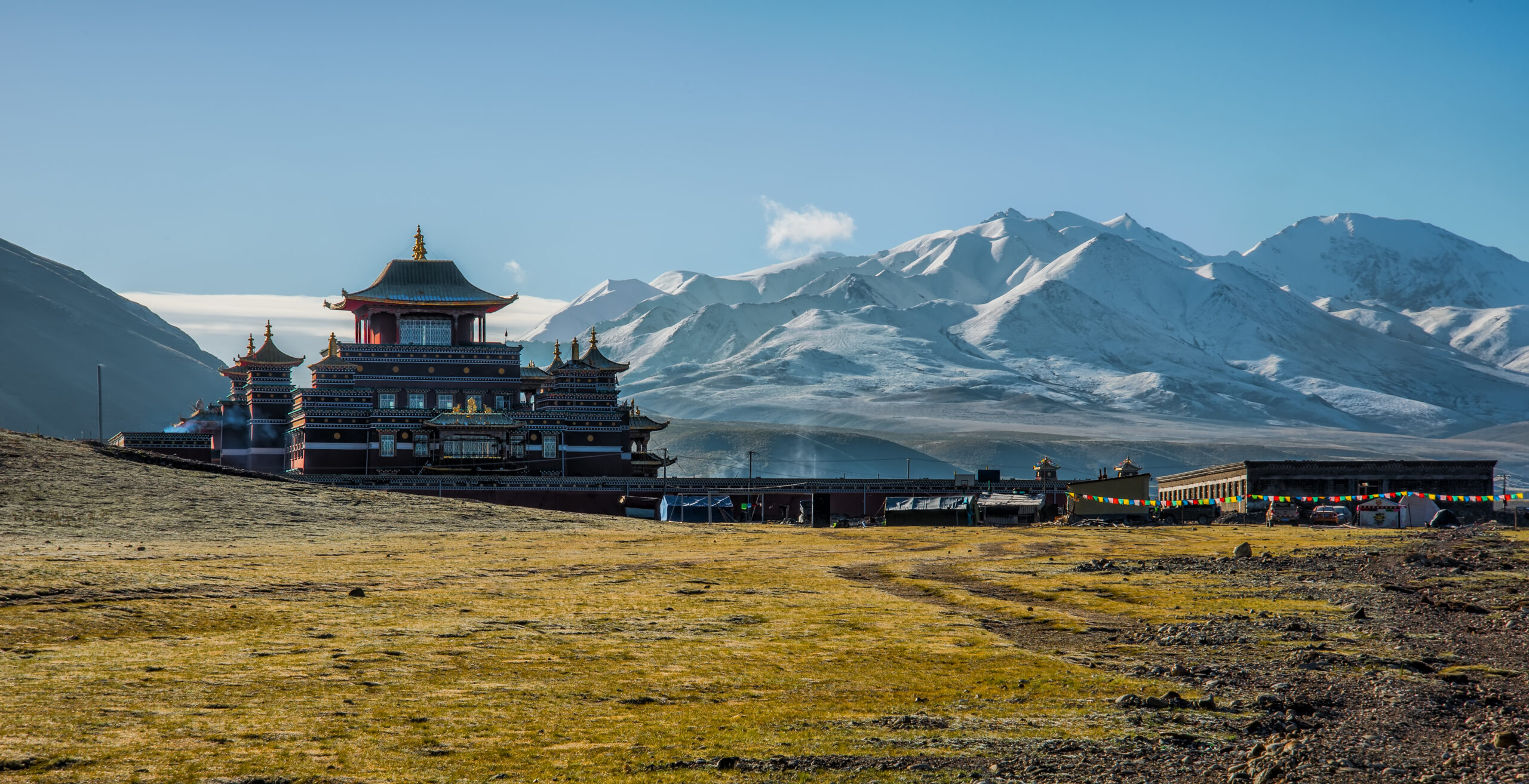
A journey to Tibet’s Lhasa, crowned by the majestic Potala Palace, is a profound pilgrimage that requires thoughtful preparation and deep cultural respect. This city, perched at 3,650 meters above sea level, is the spiritual heart of the Tibetan plateau, blending centuries of Buddhist tradition, imperial history, and modern Tibetan life. From the sacred Jokhang Temple to the bustling Barkhor Street circuit, every corner invites reflection, while the logistical complexities of permits, altitude acclimatization, and transportation demand meticulous planning. This guide offers everything a traveler needs—cultural insights, health advice, permit instructions, and practical tips—positioning Ziarah as your trusted partner in navigating this extraordinary journey.
Planning Your Tibet Journey: Permits, Best Time to Visit, and Essential Pre-Trip Checklist
Visiting Tibet requires obtaining official documentation well before arrival. Tibet Travel Permit (TTP) requirements for foreign tourists are mandatory; without this, entry to Lhasa and most of the Tibet Autonomous Region (TAR) is prohibited. Additionally, travelers entering restricted areas may need an Alien Travel Permit (ATP). Applications are typically arranged through licensed travel agencies or through an AI planner, which can simplify paperwork and ensure compliance.
Best time of year to visit Lhasa and Tibet is between April and October. Spring (April–June) provides blooming rhododendrons and clear skies, while autumn (September–October) offers crisp air and cultural festivals. Winter brings solitude but colder temperatures and limited services, while summer coincides with the monsoon and occasional landslides.
A pre-trip checklist should include: securing permits, flight or railway bookings, travel insurance covering high-altitude medical evacuation, and a health consultation for acclimatization guidance. Ziarah can help you generate a personalized Tibet itinerary factoring in all regulatory requirements.
Acclimatizing to Lhasa’s High Altitude: Health Tips and Itinerary Pacing for a Smooth Arrival
Lhasa’s elevation exposes visitors to thin air and reduced oxygen, making altitude sickness a serious consideration. How to prevent altitude sickness in Lhasa involves:
- Arriving via Gonggar Airport or Qinghai-Tibet railway at a slower pace, allowing 1–2 days of rest before sightseeing.
- Avoiding strenuous activity in the first 24–48 hours.
- Staying hydrated and consuming light meals; avoid alcohol and tobacco.
- Monitoring for symptoms of HAPE (high-altitude pulmonary edema) and HACE (high-altitude cerebral edema) and seeking immediate medical care if severe symptoms appear.
Including acclimatization days in your Lhasa itinerary for first-time visitors 5 days ensures you enjoy sites like the Potala Palace and Jokhang Temple without compromising your health. Hotels with oxygen facilities, available on our Lhasa hotels page, are invaluable for early adjustment.
A Pilgrim’s Path: Experiencing the Spiritual Heart of Lhasa at Jokhang Temple and Barkhor Street
Visiting Jokhang Temple and Barkhor Street circuit offers insight into Tibetan religious practice and daily life. The Jokhang Temple, founded in the 7th century, is Tibet’s most sacred shrine. Pilgrims circumambulate clockwise around the temple, often spinning prayer wheels and prostrating on the stone paths. Photography rules inside the temple are strict; only exterior shots are generally allowed.
Barkhor Street, encircling the temple, is a living cultural hub. Travelers encounter merchants selling prayer flags, butter lamps, and traditional thangka paintings. Engaging with local rituals and markets here provides a meaningful cultural experience while observing cultural dos and don’ts for tourists in Tibet—including respectful dress codes, avoiding loud conversations, and refraining from touching sacred objects.
Inside the Potala Palace: Navigating the World’s Highest Palace, Ticket Booking, and Tour Strategy
The Potala Palace ticket booking process and tour times are tightly regulated. Tickets are limited to specific time slots to preserve the site and manage crowds. Foreign visitors must book online in advance or through licensed operators. Tours inside the palace are guided; independent access is prohibited.
Visitors should wear modest clothing, including long sleeves and covered legs, and carry valid identification along with their Tibet Travel Permit. Inside, photography is restricted, especially in chapels and assembly halls. Walking slowly, respecting silent zones, and observing the historic murals and relics of the Dalai Lamas enhances the experience. Pre-booked guided tours provide rich historical context, explaining the palace’s role as both an imperial residence and a spiritual center. Discover and book authentic local activities and tours to maximize insight.
Beyond the Palace: Exploring Sera Monastery, Norbulingka, and Drepung Monastery
Lhasa is home to several other iconic monasteries:
- Sera Monastery: Known for its lively monk debates in the afternoon courtyard, a unique window into monastic scholarship.
- Norbulingka: The Dalai Lama’s former summer palace, set in landscaped gardens perfect for contemplative walks.
- Drepung Monastery: Once the largest monastery in the world, it offers expansive halls and mountain views.
Visiting these sites requires respecting religious observances: removing shoes before entering sacred spaces, walking clockwise around stupas, and asking permission before photographing monks or ceremonies.
Cultural Etiquette in Tibet: How to Be a Respectful and Informed Visitor
What to wear when visiting Tibetan monasteries: Long sleeves, modest trousers or skirts, and covered shoulders. Remove hats indoors. Avoid bright or revealing attire that may offend local norms.
Photography rules inside Potala Palace and monasteries: Always follow posted signage; flash photography is often prohibited. Ask for explicit permission when photographing locals.
General cultural dos and don’ts:
- Circumambulate clockwise around temples and stupas.
- Avoid pointing feet toward sacred objects.
- Never touch or rearrange ritual items.
- Respect quiet zones during prayers or meditation.
Navigating Lhasa: Transportation, Local Food, and Accommodation for Travelers
Flying into Lhasa Gonggar Airport vs. taking the Qinghai-Tibet railway: Air travel is quicker, but flights may be delayed due to weather. The railway offers a scenic acclimatization-friendly alternative from mainland China. Compare options on our flight search portal.
For airport transfers, pre-booking a private service ensures comfort in thin air. Exploring Lhasa by taxi or shared minibus is straightforward once acclimatized.
Tibetan food to try in Lhasa restaurants: Momos (dumplings), thukpa (noodle soup), yak butter tea, and tsampa (roasted barley flour). Many restaurants offer vegetarian-friendly options.
Where to stay in Lhasa for first-time travelers: Hotels with oxygen rooms, easy access to the Barkhor circuit, and proximity to Potala Palace are ideal. Explore vetted options on our Lhasa hotels page.
Crafting Your Perfect Tibet Itinerary with an AI-Powered Travel Planner
Whether combining a Lhasa trip with Mount Everest Base Camp or exploring the region’s monasteries, Ziarah’s AI tools help:
- Build daily itineraries that factor in altitude acclimatization, permit requirements, and tour bookings.
- Pre-arrange transfers and guided tours for seamless navigation.
- Ensure compliance with Tibet Travel Permit requirements for foreign tourists.
Generate a customized plan that balances spiritual exploration with safety and comfort: Create your Tibet itinerary now.
Essential Tibet Travel Questions Answered
What documents and permits do I need to visit Lhasa and Tibet as a foreign tourist?
Foreign visitors require a Tibet Travel Permit (TTP), issued through licensed agencies, and possibly an Alien Travel Permit (ATP) for restricted areas. Carry these along with your passport at all times. Ziarah’s AI planner ensures all documents are obtained correctly and scheduled in your itinerary.
How serious is altitude sickness in Lhasa, and what are the best prevention methods?
Lhasa sits at 3,650 meters, posing risks of mild to severe altitude sickness. Preventive measures include gradual acclimatization, staying hydrated, avoiding alcohol, resting during the first 24–48 hours, and monitoring for HAPE/HACE. Medical consultation before departure is strongly recommended.
Can I visit the Potala Palace independently, or do I need to join a tour?
Independent access is prohibited; tickets include a guided tour and must be booked in advance. Tours provide historical context, ensure respect for cultural rules, and allow entry into restricted areas.
What is the best season to visit Lhasa for good weather and fewer crowds?
April–June (spring) and September–October (autumn) are ideal, offering moderate temperatures, clear skies, and vibrant cultural festivals. Avoid winter for cold, limited services, and summer for heavy rains.
What should I absolutely not do inside a Tibetan monastery or temple?
Do not point your feet toward sacred objects, touch ritual items, take unauthorized photos, speak loudly, or enter restricted areas. Observe local customs, wear modest clothing, and follow clockwise circumambulation rules.
Is it possible to travel independently in Tibet, or is a guided tour mandatory?
Independent travel is restricted; foreign visitors must be part of a licensed guided tour, which arranges permits and manages logistics. Ziarah’s AI planner can simulate a tailored itinerary while ensuring compliance.
What kind of clothing should I pack for a trip to Lhasa, considering the culture and climate?
Layered clothing, modest attire for temples, comfortable walking shoes, a hat, and sunglasses are essential. Prepare for temperature fluctuations between day and night. Long sleeves and covered legs are mandatory in sacred spaces.
How many days do I need in Lhasa to see the main sites without rushing?
A minimum of 4–5 days allows visits to Potala Palace, Jokhang Temple, Barkhor Street, Sera Monastery, Drepung Monastery, and Norbulingka with proper acclimatization. Additional days enable extensions or side trips.
What is the food like in Lhasa, and are there options for vegetarians?
Traditional dishes include momos, thukpa, tsampa, and yak butter tea. Vegetarian and international options are available in central Lhasa and around Barkhor Street, accommodating dietary restrictions.
How can Ziarah’s AI planner help manage the complex logistics of a Tibet trip?
Ziarah streamlines permit acquisition, ticket booking, flight and railway scheduling, and guided tours. AI-generated itineraries ensure proper acclimatization, cultural etiquette adherence, and a seamless, respectful travel experience.
Visiting Tibet’s Lhasa & Potala Palace is a journey of both spiritual depth and logistical challenge. By preparing meticulously, respecting cultural practices, and leveraging AI planning tools like Ziarah, travelers can experience the awe-inspiring sacred sites of the high Himalayas safely, comfortably, and meaningfully. Ready to embark on this journey of a lifetime? Start designing your respectful and seamless Tibet adventure with the world’s best AI trip planner.