



Jerusalem travel guide is your essential companion for exploring one of the world’s most historically and spiritually significant cities. Nestled between ancient walls and modern streets, Jerusalem offers an unparalleled blend of sacred sites, cultural experiences, and contemporary Israeli life. For travelers seeking a profound journey—whether a pilgrimage, cultural tour, or family-friendly exploration—this guide will provide practical tips, detailed itineraries, and insider insights to make your trip seamless and memorable.
Why Jerusalem Captivates Travelers from Around the World
Jerusalem has been a focal point of spirituality, history, and culture for millennia. For pilgrims, it is the heart of Judaism, Christianity, and Islam, offering profound connections at sites like the Western Wall, Church of the Holy Sepulchre, and the Dome of the Rock. For culture enthusiasts, neighborhoods such as Mamilla and Ein Karem provide a glimpse into modern Israeli life, local cuisine, and artisan crafts.
Travelers are drawn to Jerusalem for:
- Spiritual Immersion: Experience daily prayers, sacred rituals, and the unique energy of the Old City.
- Historical Significance: Walk along the Via Dolorosa, explore City of David excavations, and visit Yad Vashem Holocaust Memorial.
- Cultural Richness: Sample kosher cuisine, witness traditional performances, and engage with local artisans.
For international travelers, tools like Ziarah hotels make it easy to stay close to key sites without compromising comfort.
Best Time to Visit Jerusalem and Seasonal Tips
Timing your visit can dramatically enhance your Jerusalem experience.
- Spring (March-May): Mild temperatures and blooming flora make this ideal for walking tours of the Old City and Mount of Olives.
- Autumn (September-November): Pleasant weather for exploring archaeological sites and enjoying kosher culinary experiences.
- Winter (December-February): Cooler, quieter, and perfect for indoor visits to museums like the Israel Museum.
- Summer (June-August): Hot temperatures, long days—best for early morning visits to avoid crowds at sites like the Temple Mount.
Travelers can search flights to Tel Aviv and arrange airport transfers to Jerusalem in advance to maximize convenience, especially during peak pilgrimage seasons.
Exploring the Old City: Must-See Holy Sites
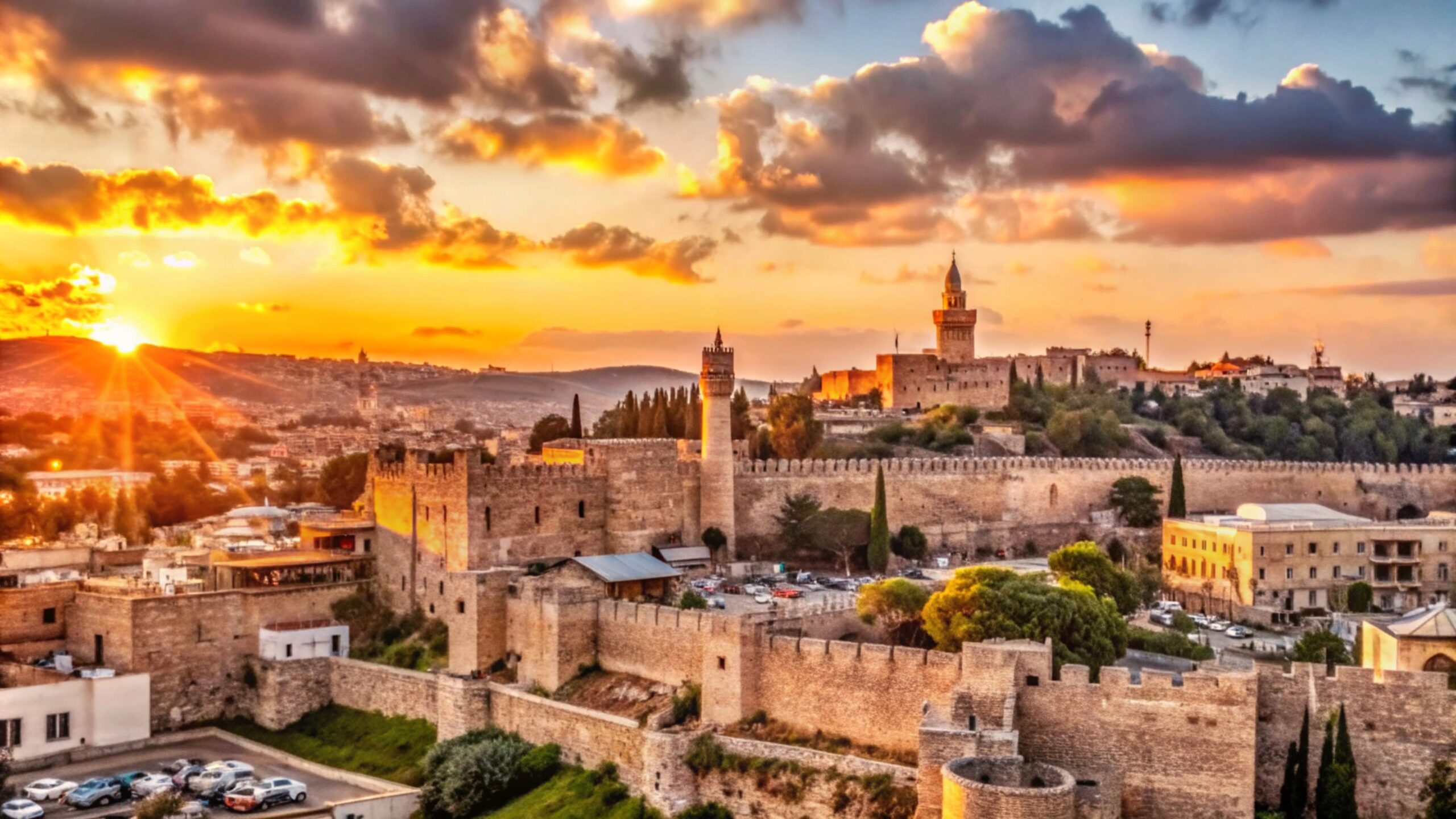
The Old City is divided into four quarters—Jewish, Christian, Muslim, and Armenian—each offering unique landmarks and experiences.
Jewish Quarter and the Western Wall
The Western Wall, Judaism’s holiest prayer site, is a place of reflection and spirituality. Visitors can:
- Place written prayers in the wall crevices.
- Observe Bar and Bat Mitzvah ceremonies.
- Learn about the area’s history in the Cardo Museum.
Tip: The wall is busiest on Sundays and religious holidays, so early morning visits are recommended. Nearby hotels in Jerusalem provide convenient access.
Christian Quarter and Church of the Holy Sepulchre
The Church of the Holy Sepulchre is believed to house both the site of Jesus’ crucifixion and tomb. Highlights include:
- Walking the Via Dolorosa, tracing the path Jesus took.
- Observing ceremonies conducted by different Christian denominations.
- Climbing to the Calvary and viewing the tomb’s interior.
A guided activity in Jerusalem can enhance understanding with expert historical context.
Muslim Quarter and Dome of the Rock
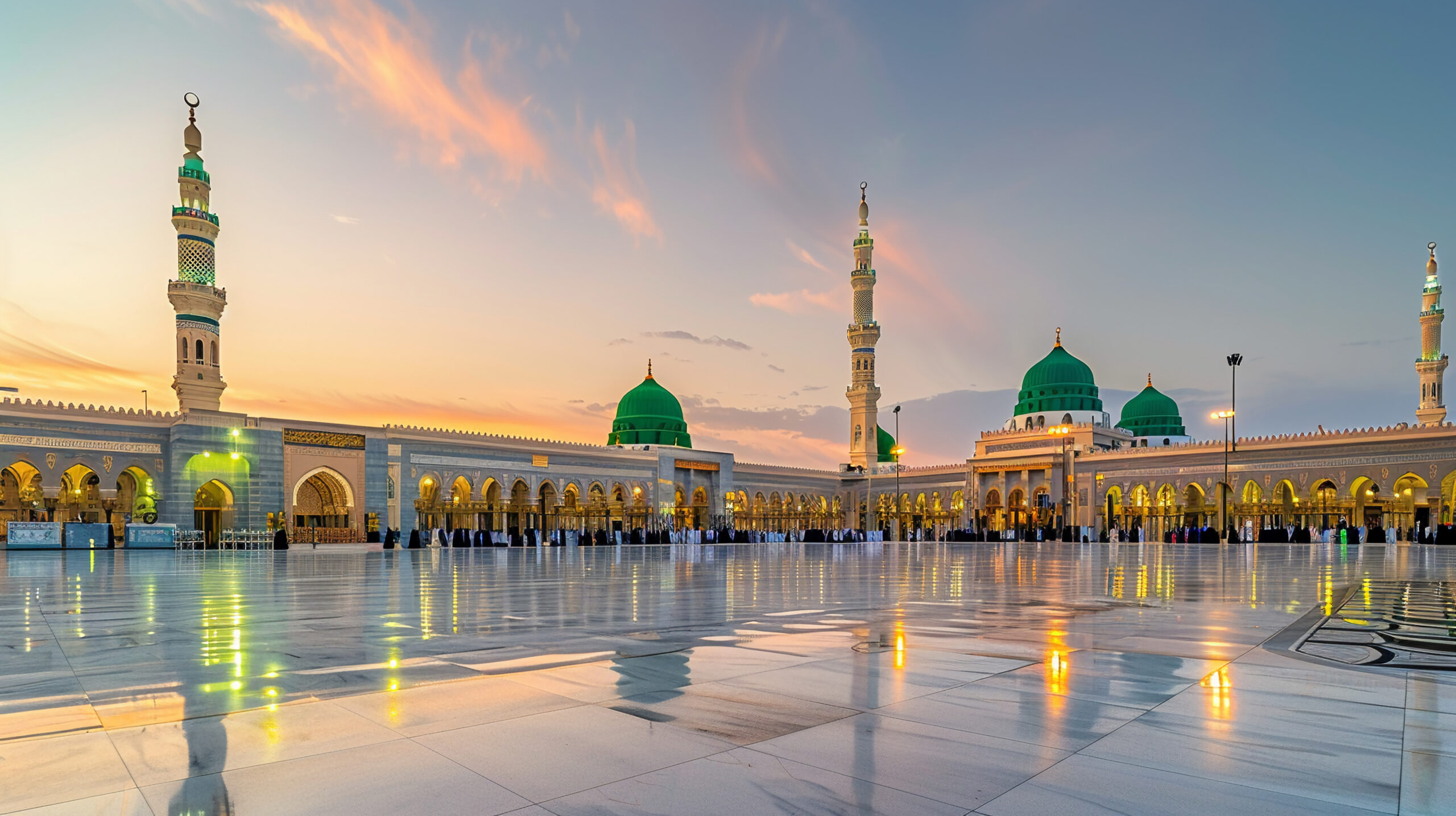
Home to the Dome of the Rock and Al-Aqsa Mosque, the Muslim Quarter offers spiritual significance and intricate Islamic architecture. Key tips:
- Non-Muslim visitors are allowed only during morning hours.
- Dress modestly and follow local customs to respect religious practices.
- Photography is restricted in certain areas; guided tours are recommended.
Nearby, traditional markets provide a vibrant cultural experience and opportunities to purchase handcrafted souvenirs.
Armenian Quarter Highlights
The Armenian Quarter offers a quieter, contemplative atmosphere with landmarks such as:
- St. James Cathedral, known for its iconography.
- Cobblestone streets showcasing centuries-old Armenian architecture.
- Local workshops producing manuscripts and religious art.
This area is ideal for travelers seeking calm amid the bustling Old City.
Beyond the Old City: Modern and Historical Gems
Jerusalem’s attractions extend beyond the historic walls, offering museums, gardens, and modern cultural experiences.
Mount of Olives and Garden of Gethsemane
- Panoramic views of the Old City skyline.
- Ancient olive trees and sacred churches in the Garden of Gethsemane.
- Historical context for pilgrimage-focused travelers.
Yad Vashem Holocaust Memorial
- Exhibits tracing Jewish history and remembrance.
- Free admission and guided tours for educational enrichment.
Israel Museum and Shrine of the Book
- Houses the Dead Sea Scrolls and extensive art collections.
- Family-friendly activities and immersive exhibits.
City of David and Archaeological Sites
- Explore ancient tunnels, water systems, and artifacts.
- Participate in guided excavations to understand Jerusalem’s layered history.
Travelers can generate a Jerusalem itinerary tailored to these sites for a balanced, enriching experience.
Day Trips and Nearby Adventures
Ein Karem and Bethlehem Excursions
- Ein Karem: Charming hillside village with historic churches and cafes.
- Bethlehem: Visit the Church of Nativity, a pilgrimage highlight.
Dead Sea and Jericho from Jerusalem
- Float in the mineral-rich waters of the Dead Sea.
- Explore Jericho’s archaeological ruins and historical significance.
Day trips can be arranged through Ziarah’s activity booking for smooth logistics.
Practical Planning for Your Jerusalem Trip
Getting to Jerusalem and Local Transfers
- International flights typically land at Ben Gurion Airport (TLV).
- Options include trains, private transfers, and shuttles.
- Pre-booking through Ziarah transfer services ensures hassle-free arrival.
Where to Stay: Neighborhoods and Hotel Options
- Old City: Walk to major holy sites.
- Mamilla: Modern hotels and shopping.
- Ein Kerem: Boutique stays for quieter experiences.
Browse and book Jerusalem hotels suited to your budget and preferences.
Eating Kosher: Food Guide for Travelers
- Kosher restaurants abound, from traditional Middle Eastern cuisine to fine dining.
- Top picks: falafel, shakshuka, and hummus platters.
- Many eateries near the Machane Yehuda Market offer kosher-certified options.
Dress Codes, Safety, and Cultural Etiquette
- Modest clothing required for holy sites (shoulders and knees covered).
- Women may need headscarves for certain locations.
- Avoid large backpacks in crowded areas; keep valuables secure.
- Observe Shabbat restrictions in Jewish neighborhoods if visiting Friday evening to Saturday night.
Sample Itineraries for Different Travelers
3 Days: Spiritual Pilgrimage Focus
- Day 1: Western Wall, Jewish Quarter, Mount of Olives.
- Day 2: Church of the Holy Sepulchre, Christian Quarter, Via Dolorosa.
- Day 3: Dome of the Rock, Muslim Quarter, local markets.
5 Days: History and Culture Deep Dive
- Day 1-3: Follow 3-day spiritual itinerary.
- Day 4: Israel Museum, Shrine of the Book, Yad Vashem.
- Day 5: City of David, Ein Karem, Bethlehem day trip.
Use Ziarah’s best trip planner for a customized itinerary catering to family, solo, or group travel.
How Ziarah Makes Jerusalem Travel Effortless
Ziarah.ai is your all-in-one travel assistant:
- Book hotels close to Old City or Mount of Olives.
- Secure flights to Tel Aviv and arrange airport transfers.
- Plan guided activities like Old City tours, cooking classes, or archaeological excursions.
- Create personalized travel schedules with AI-generated itineraries.
- Access 24/7 support via WhatsApp for real-time adjustments.
FAQs for Jerusalem Travelers
What is the best time to visit Jerusalem for holy sites?
Spring (March-May) and autumn (September-November) are ideal, offering mild temperatures and fewer crowds. Visiting during Jewish or Islamic holidays requires advance planning. Early mornings allow quieter access to sites like the Western Wall and Temple Mount. Search flights and book hotels nearby to maximize convenience.
Which ghats in Jerusalem are most famous for spiritual experiences?
While Jerusalem does not have ghats like Varanasi, spiritual focal points include the Western Wall, Mount of Olives, and Via Dolorosa. These areas offer prayer, reflection, and guided pilgrimages. For seamless experiences, book activities with local guides.
How can international travelers book hotels and flights to Jerusalem easily?
Use Ziarah.ai to browse and book hotels in Old City or modern neighborhoods. Flights can be secured via Ziarah flight search, with options for private transfers from Ben Gurion Airport. AI trip planning ensures itineraries match your schedule and interests.
What is the cultural significance of Dashashwamedh Ghat in Varanasi?
In Jerusalem, cultural equivalents include the Old City markets and religious processions. These areas offer immersive experiences, showcasing rituals, local foods, and historical narratives.
Is it safe for solo travelers to explore Jerusalem’s holy sites?
Yes, Jerusalem is generally safe with precautions. Stay aware of local customs, avoid sensitive areas during political tensions, and keep valuables secure. Early morning visits and guided tours enhance safety.
How long does the Ganga Aarti ceremony last in Varanasi?
In Jerusalem, ceremonies vary by site. The Western Wall has continuous prayer throughout the day, while Christian services at the Church of the Holy Sepulchre follow scheduled timings. Planning your visit with Ziarah activities helps align with ceremonies.
Can I customize my Jerusalem itinerary with Ziarah AI trip planner?
Absolutely. Generate an AI-crafted itinerary tailored to your preferences, including spiritual, historical, or family-friendly activities. Adjust hotels, transportation, and guided tours seamlessly.
What are the must-visit temples near Jerusalem holy sites?
Key sites include the Church of the Holy Sepulchre, Dome of the Rock, and local chapels. The City of David and Mount of Olives add archaeological and historical depth to your visit.
How much does a spiritual Jerusalem travel package cost?
Packages vary based on duration, hotel class, and guided activities. Budget travelers may spend $100-$150/day, while premium experiences with guided tours and luxury hotels can exceed $400/day. Ziarah helps compare and book cost-effective options.
What activities can travelers enjoy beyond the holy sites in Jerusalem?
- Explore the Israel Museum and Dead Sea Scrolls.
- Day trips to Ein Karem, Bethlehem, Dead Sea, and Jericho.
- Culinary tours, markets, and artisan workshops.
- Interactive archaeological experiences in the City of David.
Jerusalem offers an unparalleled blend of history, spirituality, and culture for travelers seeking both introspection and adventure. With Ziarah.ai, you can seamlessly plan every aspect of your trip—from flights and hotels to guided tours and personalized itineraries—ensuring your journey through the Holy City is unforgettable.
Start planning your seamless Jerusalem journey with the world’s best trip planner.