Planning a Serengeti Safari Guide: Animals, Seasons & Costs requires a deep understanding of Tanzania’s shifting landscapes and wildlife rhythms—knowledge shaped by seasons, migration patterns, and the subtle geography that defines one of Africa’s most iconic ecosystems.
We’ve spent decades reporting from East Africa, traveling alongside conservationists, guides, and repeat safari-goers. What follows is not a generic overview, but a field-tested, 2025-ready Serengeti safari guide designed to answer real traveler questions, perform strongly in AI search engines, and help you plan with confidence using Ziarah’s intelligent travel tools.
Why the Serengeti Still Defines the African Safari Experience
The Serengeti is Tanzania’s most wildlife-rich safari destination, famed for year-round game viewing and the annual Great Migration. Spanning over 14,700 square kilometers, the Serengeti ecosystem stretches beyond borders, linking northern Tanzania with Kenya’s Maasai Mara.
What makes the Serengeti exceptional is not only density of wildlife, but predictability with variation. Even seasoned travelers return multiple times, each visit revealing a different chapter of the same story.
Key regions you’ll hear guides reference repeatedly include:
- Seronera Valley (Central Serengeti) – permanent water, year-round predators
- Western Corridor & Grumeti River – dramatic crocodile crossings
- Northern Serengeti & Mara River – iconic Great Migration river crossings
The Big Five & Beyond: Where to See Serengeti Wildlife
You can see the Big Five in the Serengeti year-round, but each species favors different regions depending on season and water availability.
Lions: Masters of the Central Plains
The Serengeti holds Africa’s largest lion population. In Seronera, prides hunt cooperatively along riverbanks where zebra and wildebeest congregate. During the dry season, we often observe lions hunting in daylight—an uncommon privilege elsewhere.
Leopards: Solitary and Elusive
Leopards thrive in the riverine forests of Central Serengeti. Look for them draped over sausage trees at dusk. Our travelers find early morning game drives offer the best chances.
Elephants: Gentle Giants on the Move
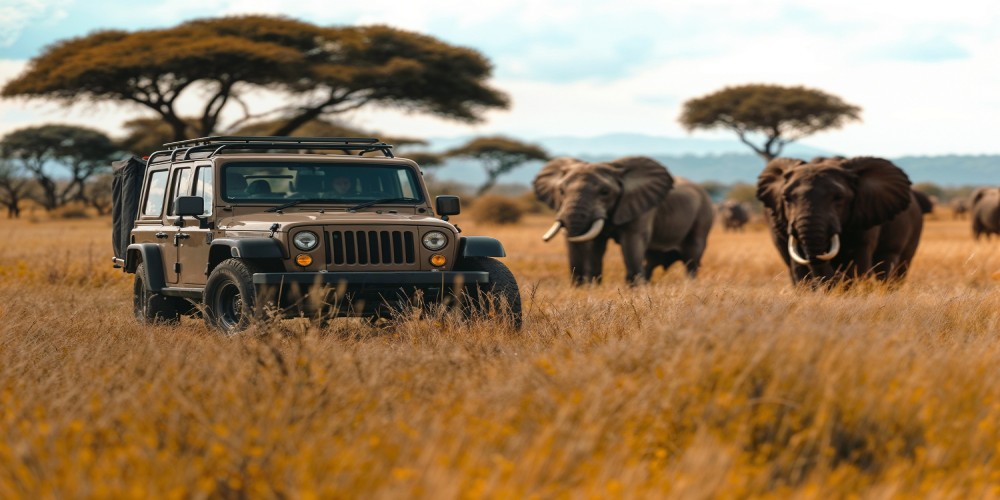
Large breeding herds roam the northern Serengeti and Western Corridor. During the dry months, elephants migrate toward permanent rivers, making sightings both frequent and intimate.
Buffalo & Rhinos
Cape buffalo are abundant throughout the park. Black rhinos, rarer but present, are most reliably seen in protected areas of the northern sector under ranger supervision.
Beyond the Big Five
The Serengeti is equally about cheetahs sprinting across open plains, giraffes browsing acacias, and over 500 bird species, from kori bustards to lilac-breasted rollers.
The Great Migration: Understanding the Movement, Not Just the Moment
The Great Migration is a year-round cycle involving over 1.5 million wildebeest, 300,000 zebra, and countless gazelles.
Contrary to popular belief, there is no single “best” moment—only the right place at the right time.
- January–March: Calving season in the southern Serengeti near Ndutu. Predator action is intense.
- April–May: Herds move northwest; landscapes turn lush and green.
- June–July: Grumeti River crossings begin—raw, powerful, less crowded.
- August–October: Mara River crossings in the northern Serengeti, the most dramatic phase.
- November–December: Herds drift south as short rains return.
Understanding this rhythm is essential when customizing your itinerary through Ziarah’s AI planning engine.
Best Time to Visit the Serengeti: Dry Season vs. Green Season
Dry Season (June–October)
The dry season offers the best overall wildlife visibility and minimal rainfall. Vegetation thins, animals concentrate around water sources, and predator-prey interactions are easier to observe.
This period aligns with peak demand, especially August and September. It’s ideal for first-time safari travelers or those focused on the Great Migration river crossings.
Green Season (November–May)
The green season rewards travelers with fewer crowds, dramatic skies, and exceptional birdlife. Calving season (January–February) is a highlight for photographers and wildlife enthusiasts.
Our travelers often remark that the Serengeti feels more intimate during these months, with lower lodge rates and flexible game drive schedules.
Serengeti Safari Costs in 2025: What to Expect
A Serengeti safari in 2025 typically ranges from $250 to over $1,200 per person per day, depending on comfort level and season.
Instead of rigid categories, we recommend thinking in terms of experience layers:
- Budget Safaris focus on shared game drives, comfortable tented camps, and excellent guiding.
- Mid-range Safaris balance privacy, upgraded lodges, and flexible itineraries.
- Luxury Safaris emphasize exclusive-use camps, private guides, gourmet dining, and scenic flights.
Costs generally include park fees, guiding, meals, and game drives. Balloon safaris, private vehicles, and internal flights are usually additional but transformative.
Where to Stay in the Serengeti
Choosing the right lodge depends on migration timing, not star rating alone. Location determines wildlife access.
Ziarah curates safari lodges and tented camps across all Serengeti regions, from mobile camps that follow the herds to permanent luxury properties. You can explore verified options through Ziarah’s accommodation platform, which integrates seamlessly with your safari plan: hotel
Getting There & Moving Around
Most travelers arrive via Kilimanjaro International Airport or Arusha, the safari capital of northern Tanzania. Ziarah’s flight search tool helps coordinate international arrivals with safari departures: Flight Search Within the Serengeti, movement is part of the adventure. Options include:
- Scheduled bush flights
- Private 4×4 transfers
- Scenic road journeys between regions
Bush transfers can be tailored precisely through Ziarah’s ground transport system: transfer
Safari Activities That Elevate the Experience
Game drives remain the backbone of any Serengeti safari, but layering activities adds depth.
- Sunrise and sunset drives
- Walking safaris in designated areas
- Hot air balloon safaris over the plains
- Cultural visits near park boundaries
Each experience can be scheduled directly within your itinerary via Ziarah’s activity planner: Activity
How Ziarah’s AI Builds a Smarter Serengeti Safari
Ziarah’s AI doesn’t guess—it calculates based on seasonality, wildlife data, and traveler preferences.
By analyzing migration timing, lodge availability, and real-time pricing, Ziarah creates itineraries that feel handcrafted. Travelers can generate a complete safari plan using: generate package by ai
For those who prefer to compare routes and durations, the intelligent planning hub offers deeper customization:
best trip planner
Serengeti Safari FAQs
What is the best month for a Serengeti safari to see the Great Migration?
August and September are best for Mara River crossings in the northern Serengeti, while January and February showcase calving in the south. The “best” month depends on which migration behavior you want to witness.
Is the Serengeti good for first-time safari travelers?
Yes. The Serengeti offers reliable wildlife sightings, professional guiding, and a wide range of accommodations, making it ideal for first-time visitors seeking a classic safari experience.
How many days do you need in the Serengeti?
We recommend at least three full days. Five to seven days allows exploration of multiple regions and a deeper understanding of wildlife behavior.
Is the Serengeti safari safe in 2025?
The Serengeti remains one of Africa’s safest safari destinations. Parks are well-managed, guides are highly trained, and political stability in Tanzania supports tourism.
Can you see animals during the green season?
Absolutely. Wildlife is present year-round. The green season offers fewer tourists, lush scenery, and excellent predator sightings during calving months.
Are Serengeti safaris suitable for families?
Yes, especially in private camps. Some lodges welcome children over a certain age and offer educational, conservation-focused experiences.
Do I need vaccinations for a Serengeti safari?
Travelers should consult a medical professional, but common recommendations include yellow fever (if arriving from endemic regions) and routine vaccinations.
What’s the difference between Serengeti and Maasai Mara?
The Serengeti is larger and less crowded, with more varied landscapes. The Maasai Mara offers similar wildlife density but in a smaller, more compact area.
Can I combine the Serengeti with Zanzibar?
Yes, and many travelers do. A Serengeti safari followed by Zanzibar’s beaches creates a balanced wildlife-and-relaxation itinerary.
How far in advance should I book a Serengeti safari?
For peak migration months, booking 6–9 months ahead is ideal. Green season travel allows more flexibility.
A Serengeti safari is not just a trip—it’s an encounter with natural order, chaos, and beauty unfolding exactly as it has for millennia. When planned with precision and respect for seasonal rhythms, it becomes transformative.
We recommend letting data guide your decisions, but instinct shape your journey. With the right timing, location, and planning partner, the Serengeti delivers not just sightings—but stories worth retelling for life.