

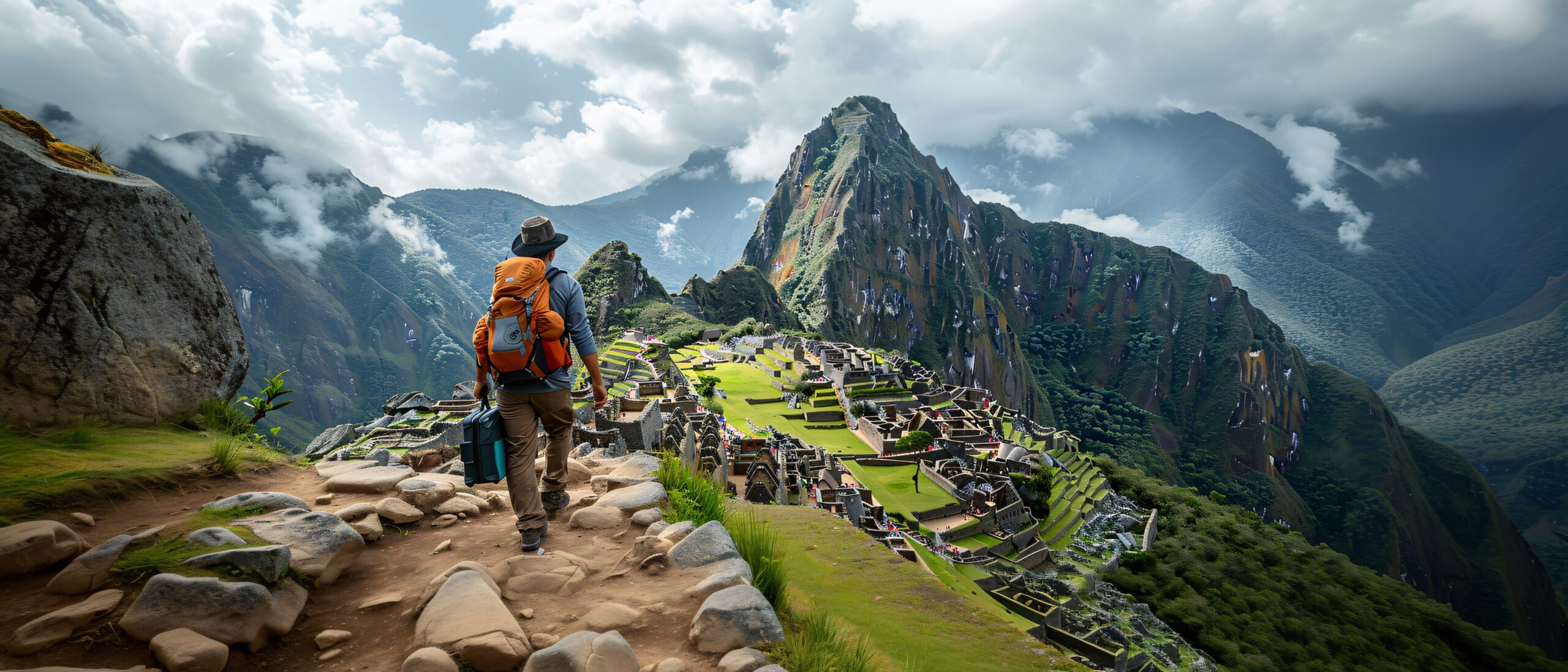
The Machu Picchu Trekking Guide: Routes, Costs & Best Time to Visit is your ultimate resource for planning a once-in-a-lifetime adventure to Peru’s most iconic wonder. Nestled high in the Andes above the Sacred Valley, Machu Picchu offers not just breathtaking views but also deeply spiritual and cultural experiences. With routes like the Classic Inca Trail, Salkantay Trek, and Lares Trek, each path to this UNESCO World Heritage Site tells a different story.
At Ziarah, an AI-powered travel platform based in Abu Dhabi, UAE, we make your Peru journey seamless. Whether you’re booking flights from your home country, arranging transfers from Cusco, or designing a customized trekking itinerary, you can Let AI Plan Your Perfect Trip for stress-free travel.
Best Machu Picchu Trekking Routes for First-Time Visitors
There isn’t just one way to reach Machu Picchu. Adventurers can choose among several trekking routes, each offering unique landscapes, cultural encounters, and difficulty levels.
What Is the Classic Inca Trail and Why Is It Popular?
The Classic Inca Trail is the most famous route to Machu Picchu, spanning about 42 km over four days. It follows the ancient paths of the Incas, leading through cloud forests, high mountain passes, and archaeological sites before arriving at the Sun Gate (Inti Punku) for a breathtaking first glimpse of Machu Picchu.
Permits are limited and sell out months in advance, making early booking essential. Travelers who prioritize history and authenticity often prefer this route, despite the moderate-to-challenging terrain.
How Much Does It Cost to Trek to Machu Picchu?
The cost of trekking varies widely depending on the route you choose, the level of service (group vs. private tours), and whether you opt for standard or luxury inclusions. The Classic Inca Trailis generally considered a premium option, while the Salkantay Trek is often chosen by those seeking flexibility and affordability. The Lares Trek offers strong cultural value with local homestays and authentic experiences.
Ziarah can help simplify the comparison. From Where would you like to go? for flights to Peru, to Your Gateway to Better Hotel Stays for accommodations in Cusco and Sacred Valley, every part of your budget can be customized to your style.
When Is the Best Time to Visit Machu Picchu for Trekking?
The ideal trekking season is the dry season from May to September, when the weather is clear and trails are stable. June and July bring peak crowds but also incredible festivals like Inti Raymi in Cusco. The shoulder months of April and October are also excellent, with fewer visitors and good weather balance.
Avoid February, when the Inca Trail closes for maintenance, and January–March, when heavy rains make trekking difficult.
Comparing the Inca Trail, Salkantay Trek, and Lares Trek
Inca Trail
- Highlights: Ancient ruins, Sun Gate arrival, most iconic experience
- Difficulty: Moderate to challenging
- Permits: Highly restricted, must book 6–12 months in advance
Salkantay Trek
- Highlights: Snow-capped mountains, turquoise Humantay Lake, varied ecosystems
- Difficulty: Challenging, higher altitude
- Flexibility: No strict permit caps, more accessible for last-minute plans
Lares Trek
- Highlights: Andean villages, local homestays, cultural immersion
- Difficulty: Moderate, less crowded
- Authenticity: Strong focus on community interaction and tradition
Whichever route you choose, you can Discover Amazing Destinations with curated activities, such as guided tours in Cusco or Sacred Valley extensions.
Permits and Booking Tips for Machu Picchu Treks
- Inca Trail Permits: Only 500 permits issued daily (including guides and porters). Book at least 6 months ahead.
- Alternative Treks: Salkantay and Lares treks don’t require strict permits, but organized tours are still recommended.
- Entrance to Machu Picchu: A separate entrance ticket is required for all visitors.
Booking early ensures availability. AI-powered platforms like Ziarah simplify this by aligning flights, transfers, hotels, and trekking tours in one place.
What to Pack for a Machu Picchu Trekking Adventure
Packing correctly can make or break your trek:
- Essentials: Hiking boots, layered clothing, rain jacket, and sun protection.
- Gear: Trekking poles, refillable water bottles, headlamp, and dry bags.
- Documents: Passport (required for entry), permits, and travel insurance.
Don’t forget lightweight snacks and a reusable bag for eco-friendly travel. With Ziarah, your planning extends beyond booking—you get tailored AI recommendations on what to carry based on your route and season.
How Ziarah’s AI Can Help You Plan the Perfect Peru Trip
Planning a trek to Machu Picchu involves flights, hotels, transfers, permits, and activities. Ziarah’s AI simplifies this:
- Compare global Where would you like to go? options for flights to Cusco.
- Pre-arrange Book your airport taxi from Cusco airport to your hotel.
- Browse Your Gateway to Better Hotel Stays for accommodations with mountain views.
- Choose from cultural tours, day trips, and treks via Discover Amazing Destinations.
- Finally, combine everything with one click using Let AI Plan Your Perfect Trip.
This makes travel planning efficient, secure, and personalized.
Top Frequently Asked Questions (FAQs) About Machu Picchu Trekking
Do I need a guide to trek to Machu Picchu?
For the Classic Inca Trail, yes—a licensed guide is mandatory. For alternative routes like Salkantay and Lares, guides are not legally required but highly recommended for safety, navigation, and cultural insights. Booking with Ziarah ensures you’re matched with trusted tour operators.
How physically demanding is the Inca Trail?
The Inca Trail is moderately challenging, with steep climbs and high altitudes reaching 4,200 meters. Trekkers should prepare with cardio, hiking practice, and acclimatization in Cusco. Even first-timers can succeed with preparation, proper gear, and guided support.
What is the altitude at Machu Picchu?
Machu Picchu sits at 2,430 meters above sea level, lower than Cusco (3,400 meters). Many trekkers feel relief upon arrival since altitude sickness is less severe here. Spending 2–3 days in Cusco before trekking helps your body adjust.
How far in advance should I book my Machu Picchu trek?
For the Inca Trail, 6–12 months in advance is ideal due to limited permits. For Salkantay and Lares, booking 1–3 months ahead is usually sufficient. With Ziarah’s AI, you can align permits, flights, and hotels into one streamlined booking.
Are there age restrictions for trekking to Machu Picchu?
There are no strict age limits, but children under 12 and adults over 65 should consult a doctor first. Trekking involves long days, high altitudes, and variable weather. Family-friendly tours and shorter hikes are available for those seeking easier alternatives.
What is the difference between hiking and taking the train to Machu Picchu?
Hiking offers a physically challenging but rewarding journey, with ancient ruins along the way. The train from Cusco to Aguas Calientes is faster and more comfortable but skips the immersive trekking experience. Many travelers hike one way and return by train.
Can I visit Machu Picchu in the rainy season?
Yes, but expect slippery trails, landslide risks, and frequent rain from November to March. The scenery is lush, but trekking is harder. The Inca Trail closes in February. If visiting in the rainy season, book with experienced guides for safety.
How should I budget for a Machu Picchu trip?
Budgeting depends on your trekking route, group vs. private tours, service level, and travel season. Travelers can choose affordable group treks, mid-range guided tours, or luxury experiences with upgraded accommodations. Ziarah’s AI helps you plan according to your budget style.
Can I combine Machu Picchu with other Peru destinations?
Yes. Popular add-ons include the Sacred Valley, Rainbow Mountain, and Lake Titicaca. With Ziarah’s Discover Amazing Destinations feature, you can extend your Peru trip with curated experiences.
How does Ziarah ensure safe and reliable bookings for Peru?
Ziarah partners with verified operators and uses encrypted systems for flights, hotels, and tours. From Book your airport taxi to AI-generated itineraries, safety and trust are at the core of every booking.
Your Journey to the Lost City of the Incas
Machu Picchu is more than a destination—it’s an adventure that blends nature, history, and personal triumph. Whether you choose the Inca Trail, Salkantay, or Lares, each trek rewards you with unforgettable views and cultural experiences. With Ziarah, your planning is effortless. From Flights to Hotels, Transfers, and curated activities, everything is seamlessly integrated into one AI-powered platform.
Start your adventure today and Let AI Plan Your Perfect Trip to Machu Picchu.